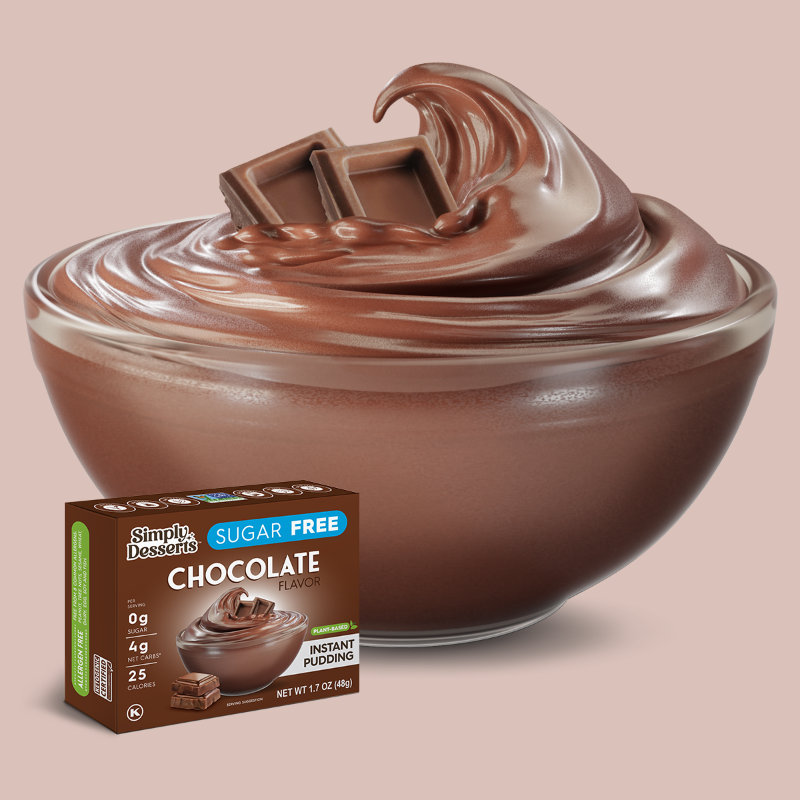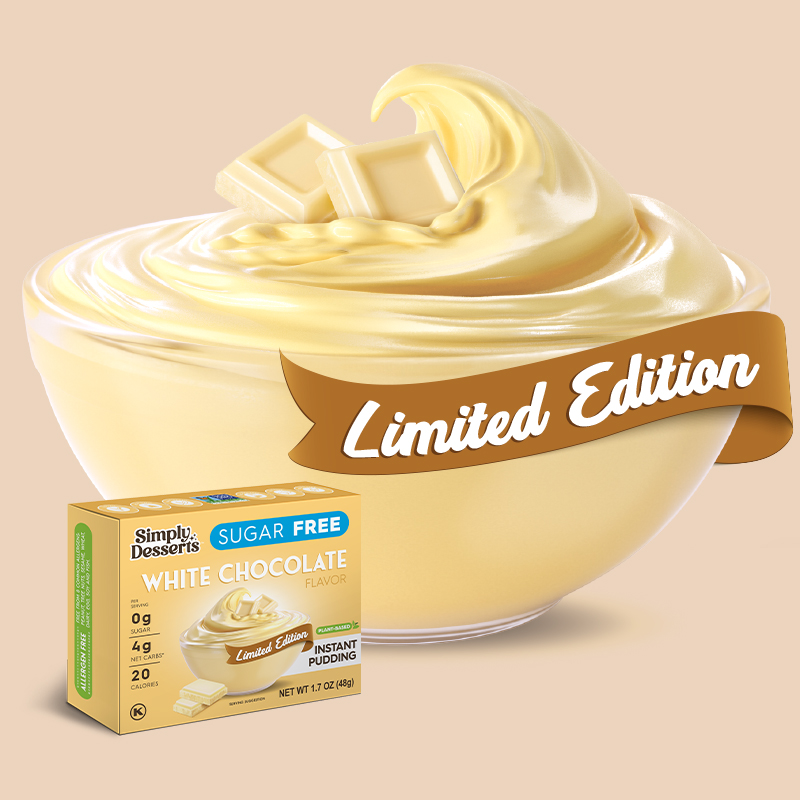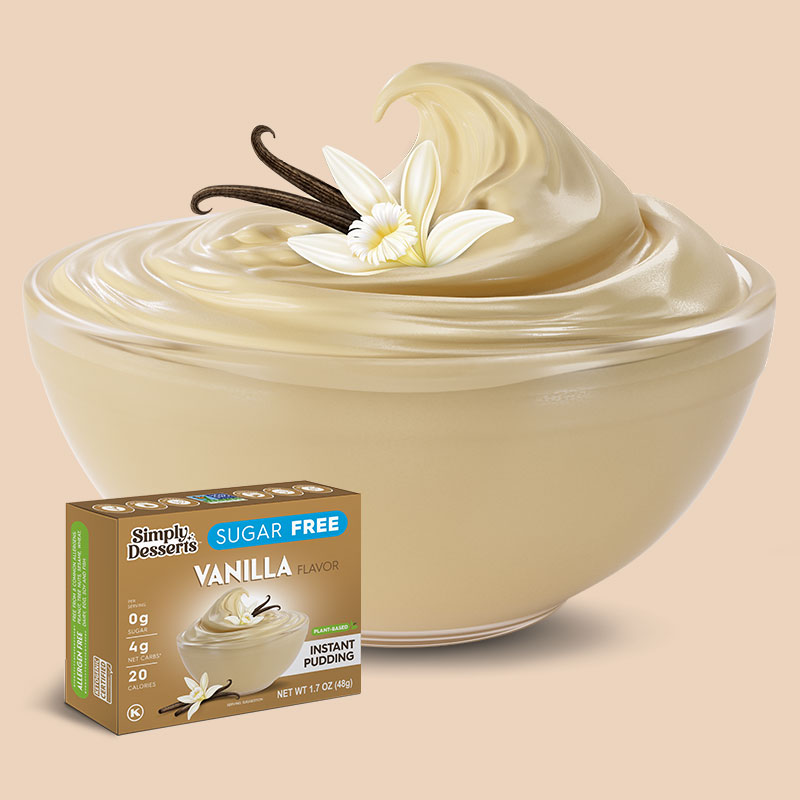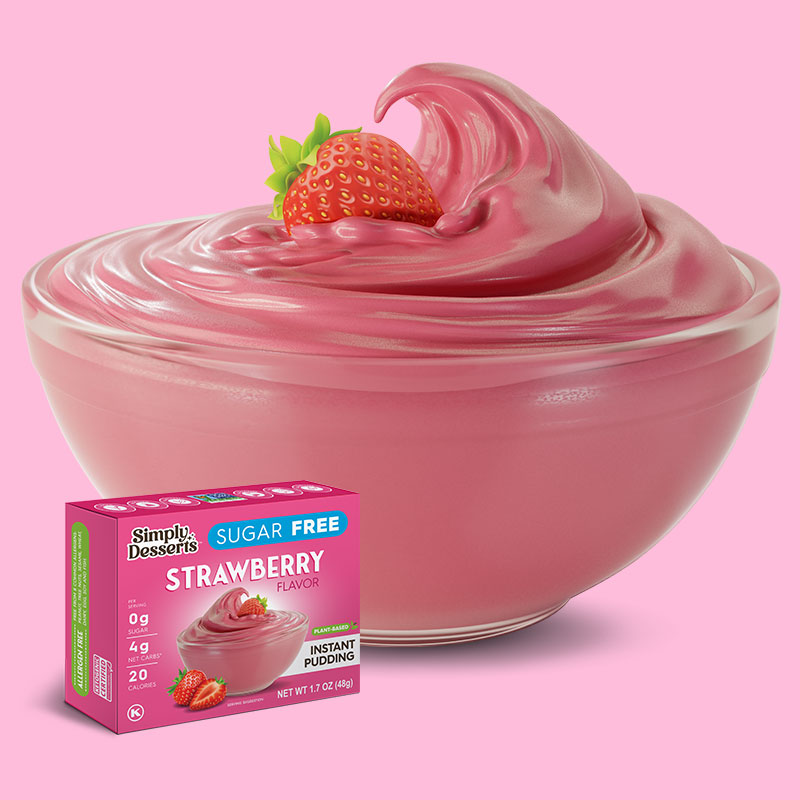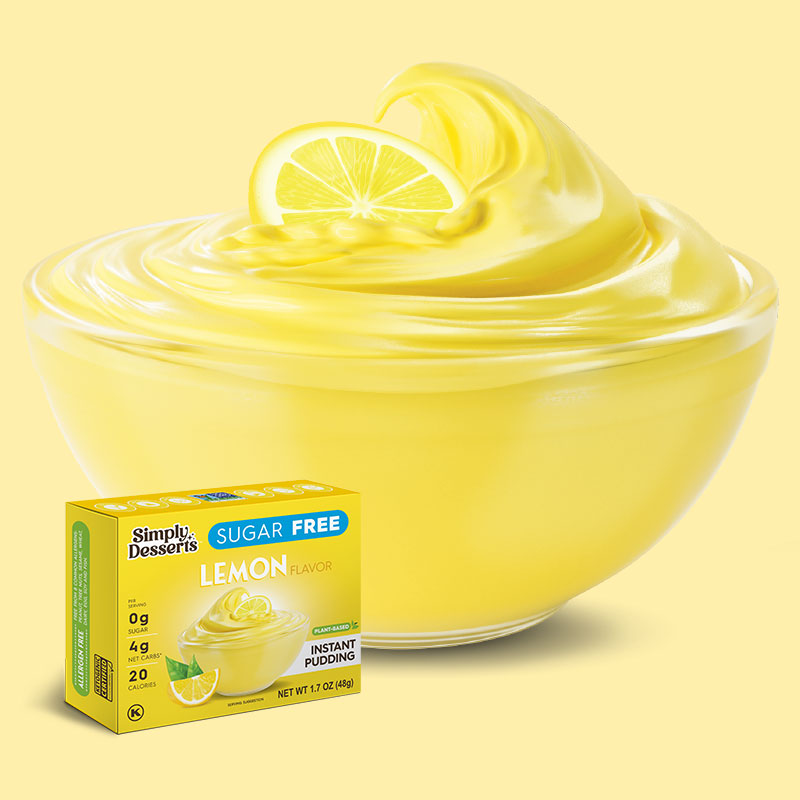
Protein pudding is a dessert-style option that delivers meaningful protein in a creamy, satisfying format, making it easier to support fullness, balanced eating, and weight management without feeling deprived.
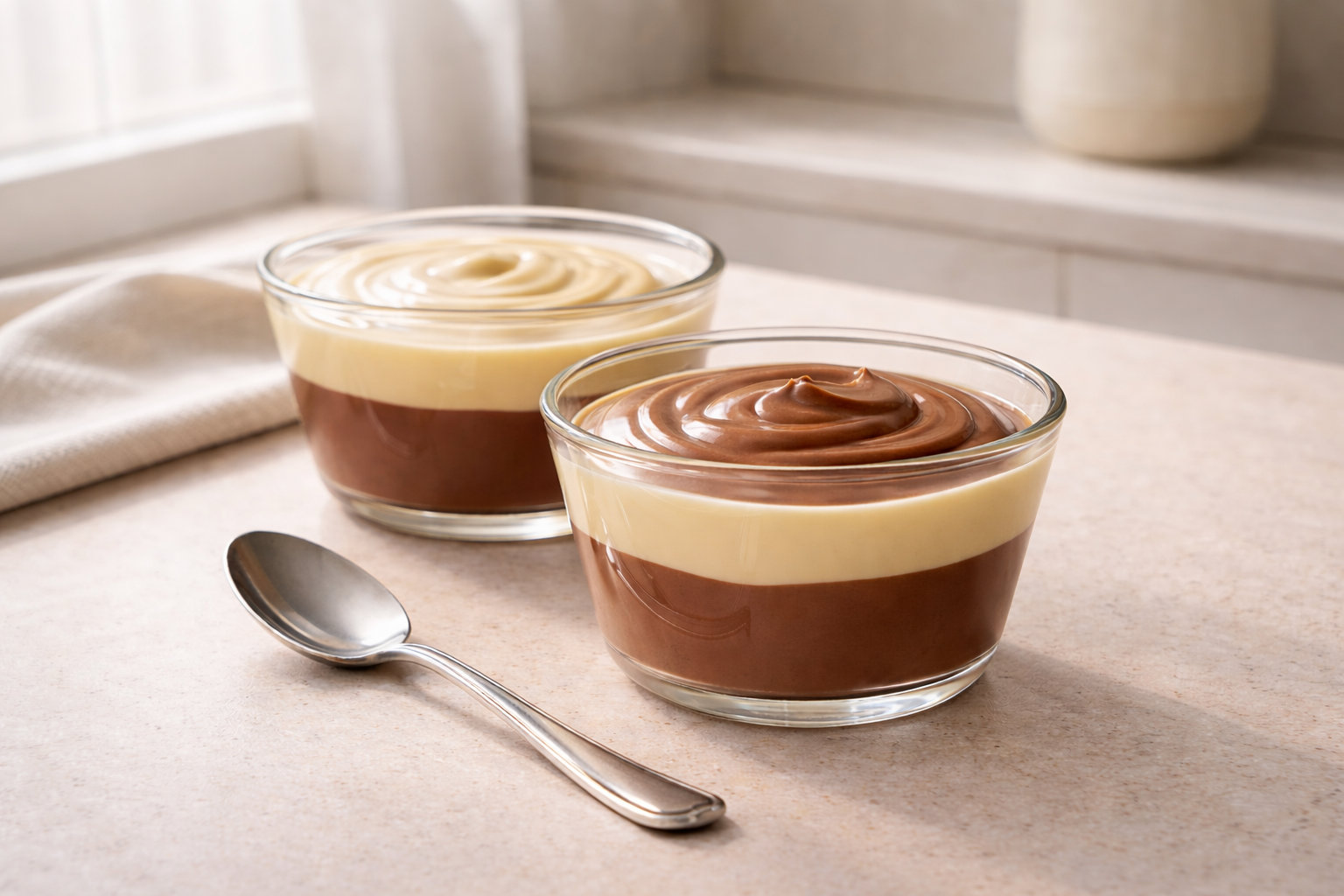
Table of Contents
- What Is Protein Pudding?
- Why Protein Matters for Satiety
- How Protein Helps You Feel Full Longer
- Why Adding Protein to Dessert Makes Sense
- Understanding Milk Protein Isolate
- The Benefit of 20g Protein at Low Calories
- High-Protein Desserts and High-Volume Eating
- Convenience and Consistency Benefits
- Who Protein Pudding Can Be Helpful For
- What to Look for in a High-Protein Pudding
- Dietary Certifications & Standards
- Looking Ahead: Protein Pudding, Coming Soon
- FAQs
What Is Protein Pudding?
Protein pudding is a dessert-style food designed to deliver a meaningful amount of protein in a familiar, satisfying format. Unlike traditional desserts that are primarily sources of sugar and fat, this protein-forward option emphasizes satiety and nutritional balance while still feeling indulgent.
As a category, this type of pudding fits into modern eating patterns where people want foods that are convenient, enjoyable, and supportive of their goals. It offers an alternative to shakes and protein powder by providing a spoonable texture that many people find more satisfying. In particular, chocolate protein pudding is often discussed as a way to combine familiar dessert flavor with higher protein content in a spoonable format.
Why Protein Matters for Satiety
Protein plays a key role in how full you feel after eating. Compared to carbohydrates or fats, protein is more effective at triggering satiety signals that help reduce hunger between meals.
People often turn to protein powder to increase daily protein intake, but not everyone enjoys drinking shakes or mixing protein powder into foods every day.
Research from the Harvard T.H. Chan School of Public Health explains that protein helps regulate appetite by influencing hormones involved in fullness and hunger.
Including enough protein throughout the day can support appetite control, which is especially important for people focused on weight management or balanced eating. Protein-packed foods are especially helpful in this context, and high-protein staples like greek yogurt are often used for this purpose, and dessert-style options can support the same goal when formulated thoughtfully.
For many people, thinking in terms of familiar staples – like greek yogurt or vanilla greek yogurt – helps explain why a spoonable, protein-forward dessert can feel more satisfying than relying on drinks alone.
How Protein Helps You Feel Full Longer
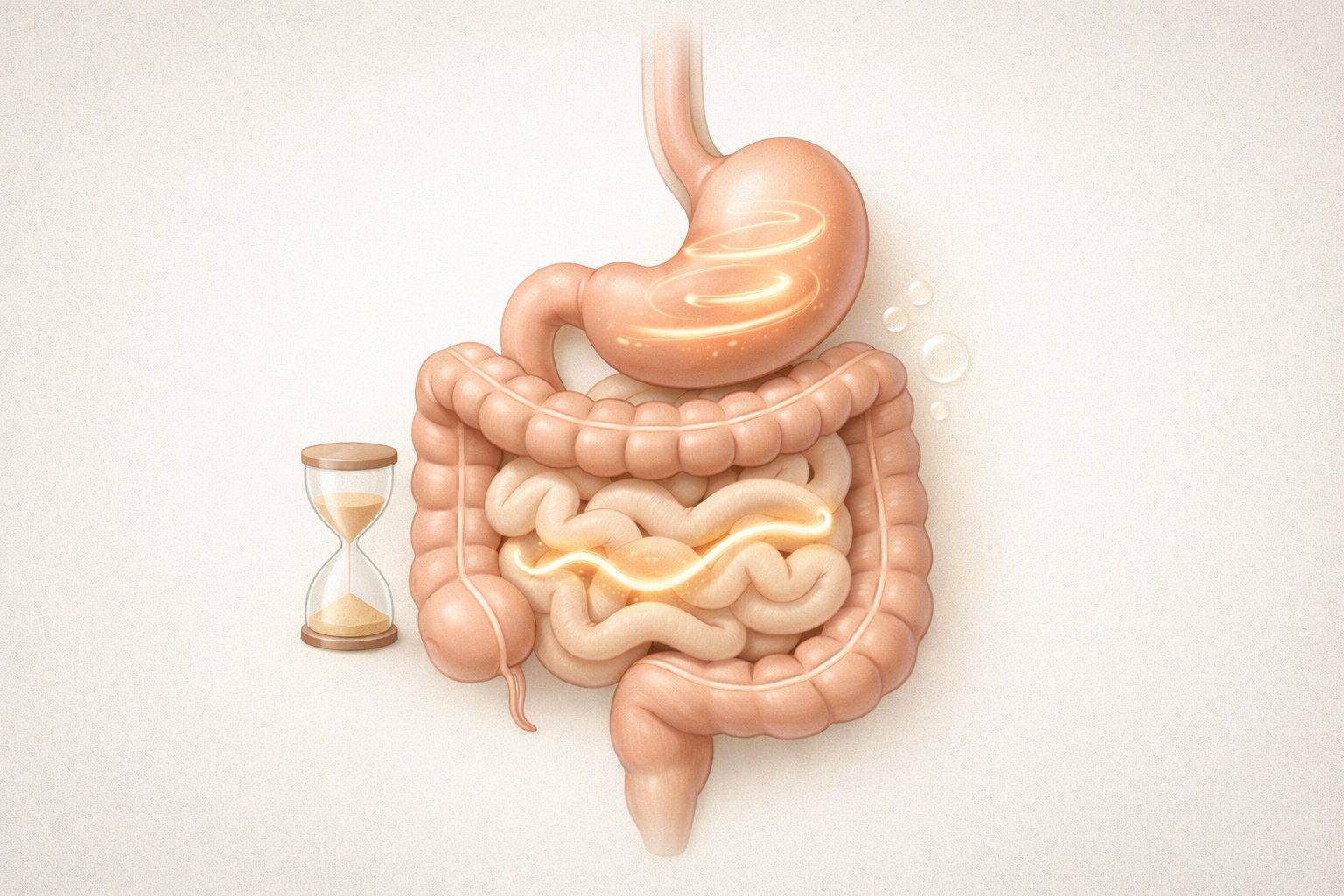
Protein contributes to fullness in several ways. It slows digestion, supports steady appetite signals, and helps reduce the rapid return of hunger that can happen after low-protein meals.
Some people rely on protein powder as a convenient protein source, but a spoonable dessert can feel more substantial than a drink. For example, foods like greek yogurt are often perceived as more satisfying than a simple shake made with protein powder.
Because protein typically takes longer to digest than many other nutrients, it can help extend the feeling of fullness after eating. This makes protein-rich foods particularly useful in snacks and desserts, where people often experience cravings.
Why Adding Protein to Dessert Makes Sense
Dessert is often the point in the day where people feel the most restricted. Adding protein to dessert allows enjoyment without sacrificing satiety or balance.
In many routines, desserts are either “off limits” or built around quick fixes like protein powder mixed into something sweet. But not everyone wants a DIY approach with protein powder—especially when the goal is consistency and enjoyment.
Flavor familiarity matters too. People who are used to chocolate protein powder, vanilla protein powder or strawberry protein powder often look for dessert-style flavors that feel equally comforting, without having to turn dessert into a mixing project. For many people, chocolate protein powder is familiar from shakes and smoothies, which is why a spoonable dessert alternative can feel more enjoyable and easier to stick with. People who are used to vanilla protein powder often describe the same “comfort flavor” familiarity, especially when they want something sweet without having to build a shake.
It’s also common to see curiosity around other flavors, such as strawberry protein powder, when people compare “shake flavors” to dessert-style options.
This approach works well because it combines a comfort-food experience with nutritional function. Rich, satisfying flavors—like chocolate pudding—can help people feel content after a meal, similar to how a small amount of peanut butter can add satisfaction in a balanced routine. For some people, flavors like chocolate peanut butter are part of what makes a high-protein dessert feel genuinely satisfying.
In chocolate-style desserts, familiar flavor cues are often described with terms like cocoa powder, and those classic notes can make a “better-for-you” dessert feel more like the real thing. (You’ll often see chocolate flavor depth described in terms of cocoa powder across dessert discussions.)
Understanding Milk Protein Isolate
Milk protein isolate is a concentrated source of protein derived from milk. It naturally contains a combination of milk proteins, providing a complete amino acid profile.
This type of protein is commonly used in foods designed for satiety and nutrition because it blends well, has a neutral taste, and supports a smooth texture. It’s also a practical alternative to relying on protein powder as the primary way to increase protein intake.
Its versatility makes it well-suited for dessert-style formats like pudding.
The Benefit of 20g Protein at Low Calories
Getting 20 grams of protein in a low-calorie format is significant from a satiety and convenience standpoint. Higher protein intake without excessive calories helps support fullness without pushing total energy intake too high.
If you’ve ever wondered how much protein you need in a snack or dessert to feel satisfied, a 20g serving is a meaningful amount for many people—especially compared to traditional desserts.
A review published by the National Institutes of Health highlights the role of dietary protein in appetite regulation and weight management.
This balance can be especially helpful for people managing appetite, building structured meals, or looking for ways to add protein without relying on large portions or multiple foods.
High-Protein Desserts and High-Volume Eating
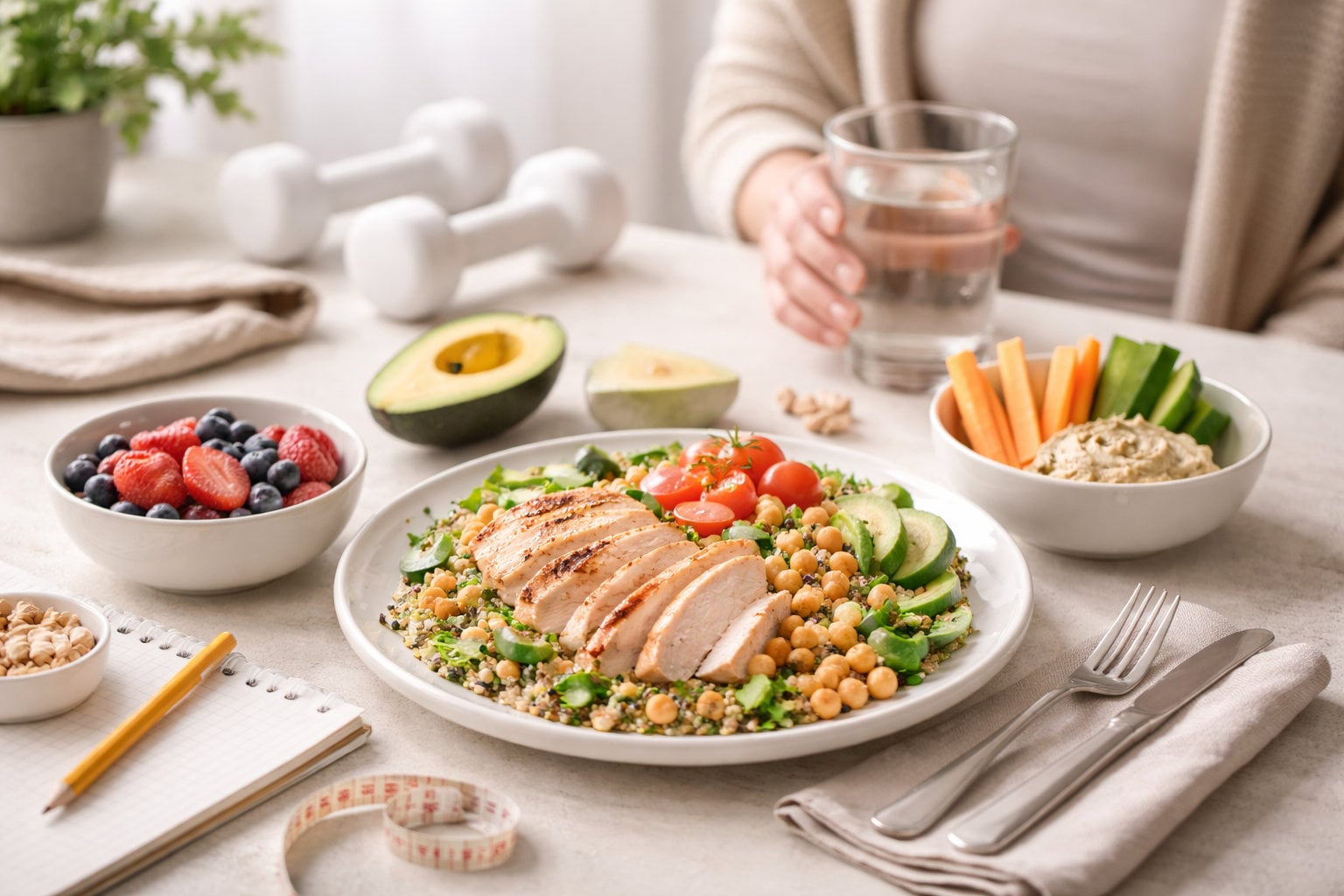
Protein-rich desserts fit naturally into a high-volume eating approach, which emphasizes foods that are filling without being calorie-dense. High-volume eating focuses on satiety, portion satisfaction, and consistency rather than restriction.
The Centers for Disease Control and Prevention explains how lower energy density foods help people eat satisfying portions while managing calorie intake.
Because protein is one of the most satiating nutrients, pairing it with a lower-calorie dessert format supports this style of eating well. In practice, a dessert like chocolate protein pudding can feel more satisfying than a smaller, calorie-dense sweet—and it can also be easier to stick with than constantly mixing protein powder. Because chocolate protein pudding combines familiar dessert flavor with protein-driven satiety, it fits naturally into high-volume eating strategies focused on fullness and consistency.
For many people, familiar flavors like chocolate pudding make this style of eating feel realistic and enjoyable. Chocolate dessert notes are often described with references to cocoa powder, especially when people compare flavor richness and depth.
For a deeper look at the framework, you can explore our full guide here: High-Volume Eating: What It Is & Why It Helps With Weight Loss
Convenience and Consistency Benefits
Consistency is one of the biggest challenges in long-term nutrition habits. Foods (and desserts) that are convenient and enjoyable are easier to stick with over time.
A ready-to-enjoy pudding option can support regular protein intake without adding complexity. This matters because not everyone wants to measure, blend, or travel with protein powder, and not every routine allows time for meal prep.
When protein options are simple and satisfying, people are more likely to follow through on their goals consistently.
Who Protein Pudding Can Be Helpful For
This type of pudding can be useful for people focused on weight management, balanced eating, or increasing daily protein intake. It can also appeal to those who prefer spoonable foods over drinks.
It’s a practical option for anyone who wants dessert to feel satisfying while still supporting a protein-forward approach to meals and snacks. In many everyday routines, protein staples like greek yogurt are used for the same reason: they’re simple, familiar, and support fullness. People who prefer a more neutral taste often choose plain greek yogurt for the same reason.
A high protein pudding option can also appeal to those who want a consistent snack that supports fullness without needing a blender, shaker bottle, or daily prep.
What to Look for in a High-Protein Pudding
When evaluating protein pudding as a category, it’s helpful to consider protein content, calorie balance, and ingredient quality. A higher protein-to-calorie ratio generally supports satiety more effectively.
It’s also helpful to know what the product is not. Some people try to recreate dessert flavors by mixing protein powder into different bases, while others prefer options that don’t require protein powder at all. You may also see terms like chocolate protein powder, vanilla protein powder, or vegan protein powder used in general protein discussions, but a dessert doesn’t have to be “powder-based” to be protein-forward. Some people specifically look for vegan protein powder in broader protein conversations, even if their end goal is a ready-to-enjoy dessert rather than a DIY mix.
It’s common to see people search for phrases like protein pudding recipe when they’re exploring the category. In those searches, ingredients like cocoa powder, vanilla extract, a natural sweetener, or even a pudding mix are often mentioned as familiar “dessert cues.” Vanilla extract is especially common in those searches because it’s a simple way people try to recreate classic dessert flavor, and vanilla extract is one of the most recognizable “bakery-style” cues in dessert content.
We’re not sharing a protein pudding recipe here, but understanding what people associate with the category helps explain why the flavor experience matters.
Another reason the search term protein pudding recipe shows up so often is that people want dessert to feel familiar. Some DIY versions reference greek yogurt, protein powder, and a pudding mix to chase a classic texture—again, not an approach everyone wants to rely on day to day.
If you’ve been browsing the space, you’ve likely seen the phrase protein pudding recipe across social media and search results. That’s exactly why ready-to-enjoy options are appealing: they remove the guesswork while still delivering the flavor cues people expect, including chocolate notes people often connect to cocoa powder.
Texture and flavor matter too, because satisfaction plays a major role in consistency. Familiar foods like chocolate pudding are a good reminder that healthy routines work better when they still feel enjoyable.
For those with dietary preferences, some people look for options that fit gluten free lifestyles, depending on formulation and labeling.
Dietary Certifications & Standards
Simply Desserts creates desserts that are fully vegan and plant-based, formulated without animal-derived ingredients and with a strong focus on ingredient transparency.
Across the entire range, products are Kosher certified through Star-K, Non-GMO Project Verified, and GFCO Certified Gluten-Free, reflecting adherence to rigorous third-party quality standards.
Simply Desserts products are considered Halal friendly, meaning they are made without ingredients restricted under Halal dietary guidelines, though they are not Halal certified.
In addition, Simply Desserts is a PETA Business Friends partner, supporting ethical, cruelty-free food choices and the advancement of plant-based product development.
Looking Ahead: Protein Pudding, Coming Soon
As interest in high-protein, low-calorie foods continues to grow, this style of dessert is becoming a natural extension of balanced eating and volume-focused approaches.
Simply Desserts will be introducing Protein Pudding in classic Chocolate and Vanilla flavors in the near future. For many people, these are the same comfort flavors they already recognize from classic chocolate pudding and vanilla desserts—without needing to rely on protein powder for a dessert-like experience.
We’re especially excited about how chocolate protein pudding can support satiety and convenience in a simple routine, offering a familiar dessert experience without relying on protein powder.
FAQs
What is protein pudding?
Protein pudding is a dessert-style food that delivers a meaningful amount of protein in a creamy, spoonable format. It’s designed to support satiety and balanced eating while still feeling like an indulgent treat.
Does protein pudding help you feel full?
Yes. Protein is one of the most satiating nutrients, and adding it to a dessert format can help extend fullness and reduce between-meal cravings compared to traditional low-protein sweets.
How does protein pudding fit into weight management?
A protein-forward pudding can support weight management by providing protein at relatively low calories, which helps manage hunger while still allowing dessert-style enjoyment as part of a balanced routine.
Is protein pudding suitable for high-volume eating?
Yes. This type of dessert aligns well with high-volume eating because it supports portion satisfaction and satiety without being calorie-dense, especially when it delivers meaningful protein in a low-calorie format.
What type of protein is commonly used in protein pudding?
Many high-protein puddings use milk-based proteins such as milk protein isolate, which provide a complete amino acid profile and help support a smooth, creamy texture.
Is protein pudding gluten free?
Some products may fit gluten free lifestyles, but it depends on the specific formulation and labeling. If gluten free is important to you, check product details and ingredient information to confirm what matches your needs.