High volume eating is a nutrition approach that helps you feel full by eating larger portions of foods that are low in calorie concentration, which can make weight loss easier to maintain over time.
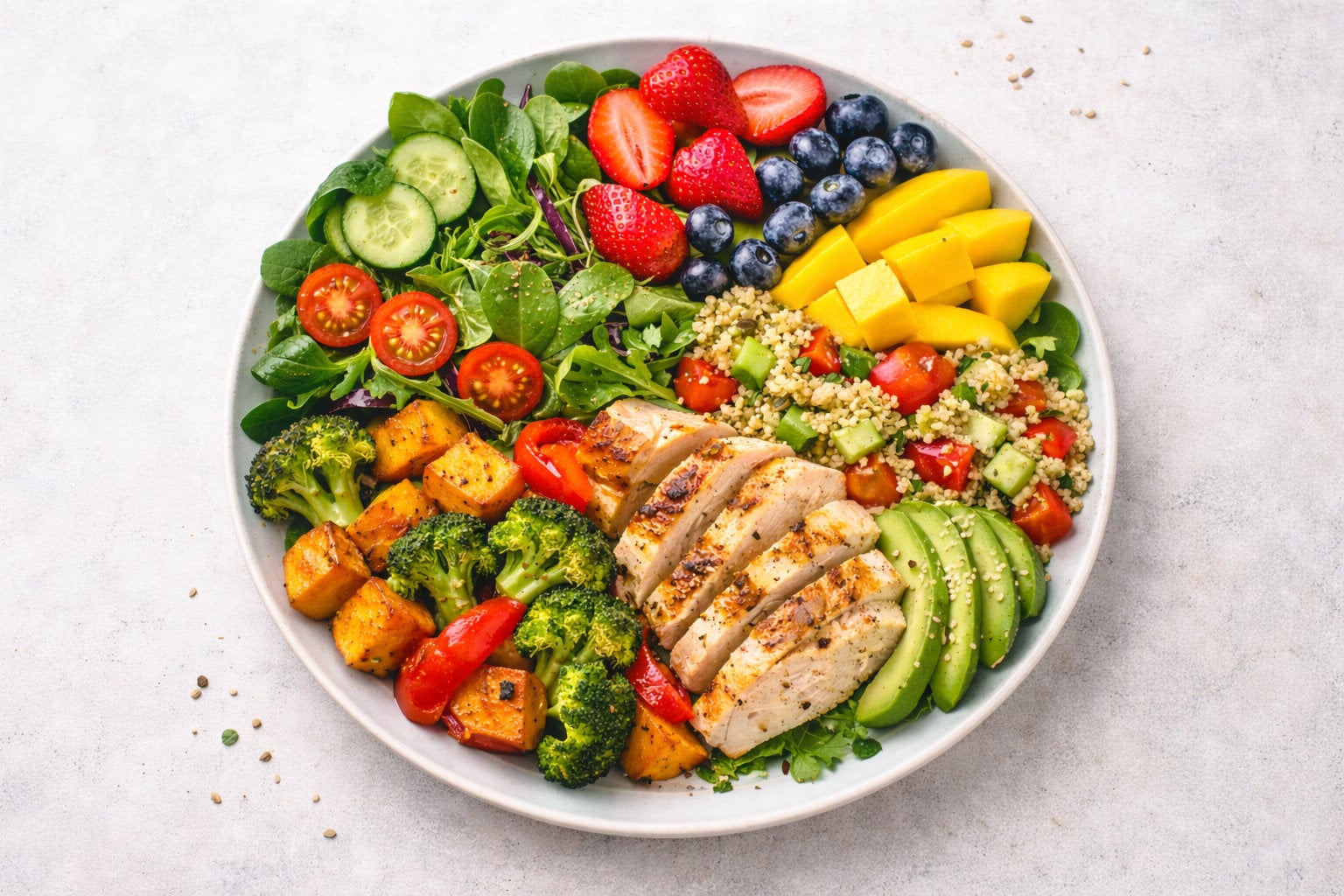
Table of Contents
- What Is High Volume Eating?
- How High Volume Eating Works
- Understanding Calorie Density
- Why High Volume Eating Helps With Weight Loss
- High Volume Foods vs. Calorie-Dense Foods
- The Role of Fiber and Water Content
- High Volume Food Groups to Prioritize
- Examples of High Volume Foods That Support Weight Loss
- High Volume Low Calorie Foods List
- Healthy Eating Notes for Sustainability
- How Protein Fits Into High-Volume Eating
- Building High-Volume Meals
- Staying Full Without Counting Calories
- Using Volume Foods to Lose Weight Without Feeling Restricted
- Common Mistakes With High Volume Eating
- Is High Volume Eating Sustainable Long Term?
- Dietary Certifications & Standards
- Why Simply Desserts Jels Fit Perfectly Into High-Volume Eating
- FAQs
What Is High Volume Eating?
High volume eating is a way of eating that emphasizes foods that take up more space on your plate and in your stomach while providing fewer calories per bite. Instead of shrinking portion sizes, you prioritize foods with high water and fiber content so meals feel abundant and satisfying.
This approach typically includes vegetables, fruits, lean proteins, legumes, and whole grains. These foods help increase fullness while supporting an overall calorie deficit when fat loss is the goal.
How High Volume Eating Works
High-volume eating works by changing food selection rather than relying on strict restriction. When meals are built around low-calorie-density foods, total calorie intake can decrease naturally without feeling like you are eating “less.”
The key is consistency. When meals are reliably filling, it becomes easier to reduce mindless snacking, manage hunger, and stick with your plan long enough to see results.
Understanding Calorie Density
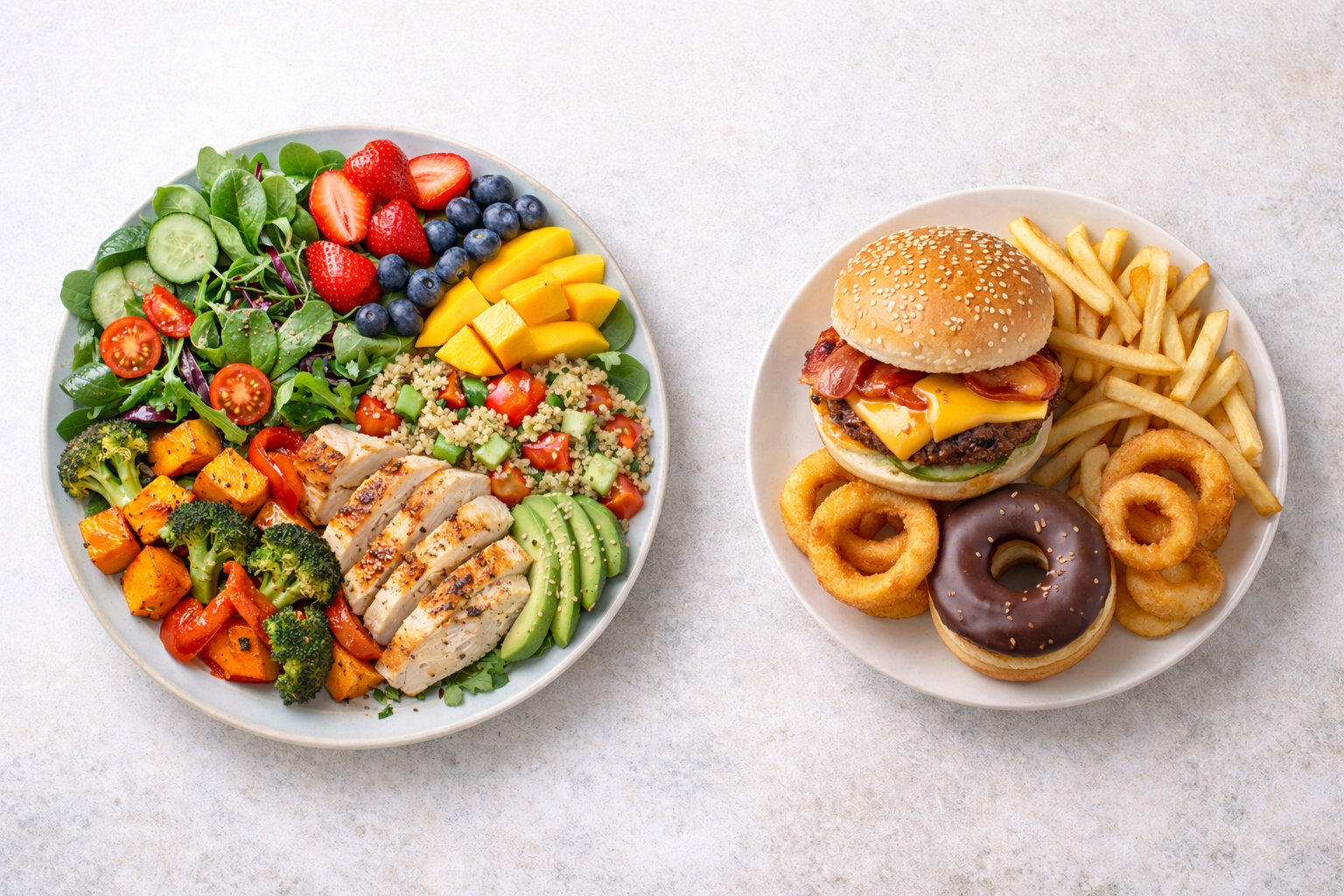
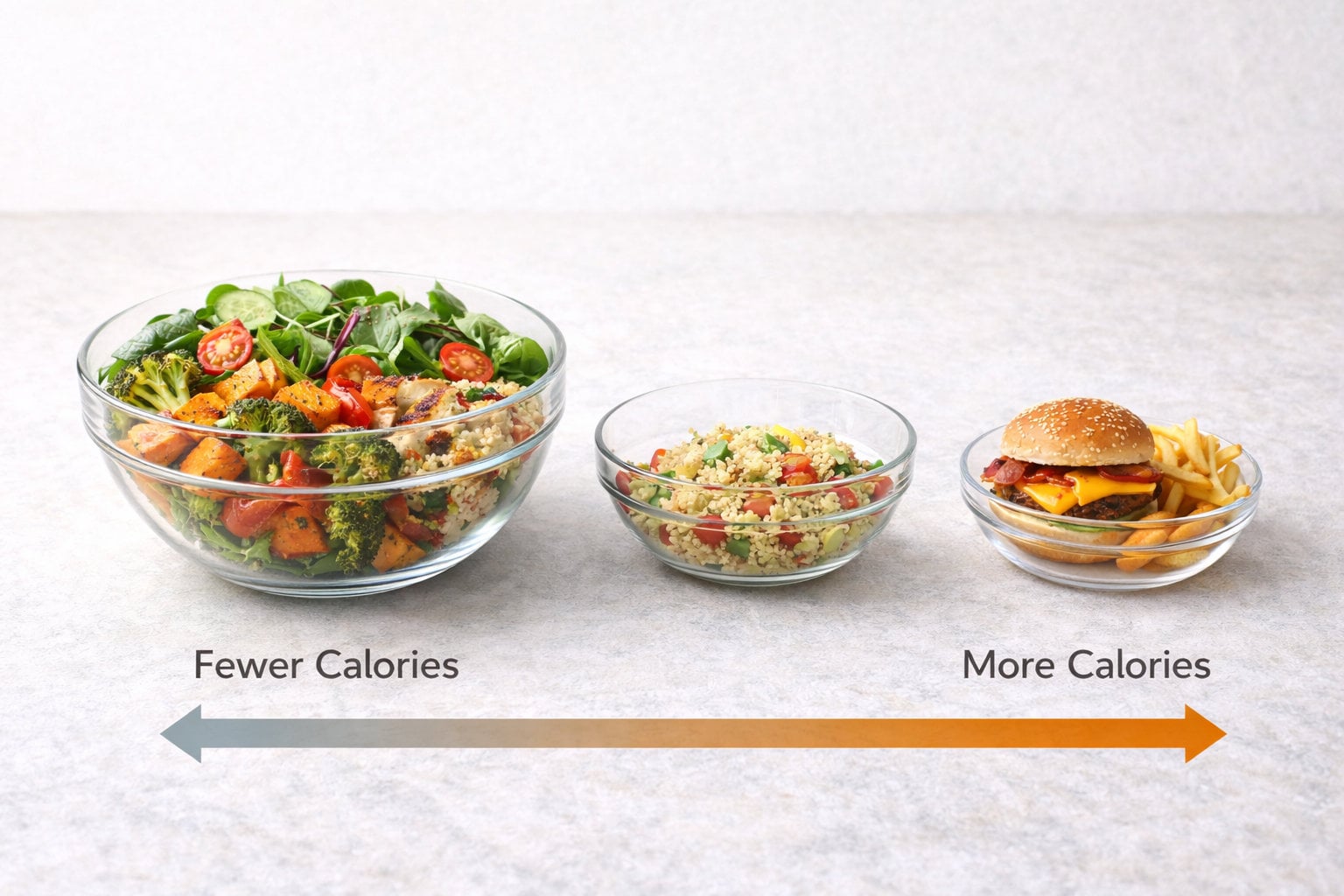
Calorie density refers to how many calories a food contains per gram. Foods that have more water and fiber tend to provide a larger portion for the same calories, while foods higher in fat and added sugar tend to pack more calories into fewer bites.
Foods with higher water and fiber content tend to be less energy-concentrated, which is why vegetables and many fruits often work well for high volume eating. Foods higher in fat and added sugar tend to be more energy-dense and easier to overeat.

Why High Volume Eating Helps With Weight Loss
High volume eating supports weight loss by helping you maintain a calorie deficit without constant hunger. Fullness matters because hunger is one of the biggest reasons people struggle to sustain changes long enough to lose weight.
When meals feel generous, you may be less likely to feel deprived. That improves adherence, which is often more important than finding a “perfect” plan.
High-Volume Foods vs. Calorie-Dense Foods
High-volume foods include many vegetables, fruits, lean proteins, legumes, and whole grains. These foods generally provide more volume for fewer calories, which can help you feel satisfied while managing intake.
Calorie-dense foods provide more calories per bite and can be easier to overconsume. High-volume eating does not require perfection or elimination; it helps you build meals where the most filling foods do most of the work.
The Role of Fiber and Water Content
Fiber supports fullness by slowing digestion and helping meals “stick” longer. Water-rich foods increase stomach volume, which can trigger satiety signals and reduce the urge to keep eating.
When you combine fiber and water-rich foods with protein, meals tend to feel more satisfying and steady, which helps reduce frequent grazing. Improving fiber intake can also support regularity and steadier appetite across the day.
High Volume Food Groups to Prioritize
Vegetables, especially leafy greens and cruciferous vegetables, are foundational to high-volume eating because they add bulk and micronutrients without adding many calories. Leafy greens also contribute to higher nutrient density, meaning you get more nutritional value and essential nutrients per serving.
Fruits can help satisfy sweet cravings while still supporting fullness due to their water and fiber content. Fresh fruit is especially helpful because it adds volume and fiber while supporting fiber intake in a way that feels easy and enjoyable.
Whole grains and legumes add structure and staying power when portioned appropriately. Lean proteins support satiety and help maintain muscle, which is important during weight loss.
A balanced eating pattern that includes produce and minimally processed foods can also support blood pressure, especially when paired with consistent hydration and routine meal structure.
Examples of High Volume Foods That Support Weight Loss
High volume foods are foods that take up more space on your plate while providing fewer calories relative to portion size. These volume foods allow meals to feel generous and satisfying, which is why they are commonly used by people trying to lose weight without feeling restricted.
Vegetables such as leafy greens, zucchini, cauliflower, bell peppers, and mushrooms are classic high volume foods because they contain a lot of water and fiber. These volume foods add bulk to meals while keeping total calorie intake lower.
Fruits like berries, melons, oranges, and other fresh fruit also fall into the category of low calorie foods that work well for high volume eating. They provide natural sweetness, hydration, and volume while helping meals feel complete with fewer calories overall.
When meals are built around high volume foods instead of relying on calorie-dense ingredients, it becomes easier to stay satisfied and consistent. Volume foods do most of the filling, while the rest of the meal supports balance and enjoyment.
High Volume Low Calorie Foods List
High volume low calorie choices make it easier to build satisfying meals that still support a calorie deficit. This list is also helpful if you want concrete examples of volume foods you can rotate throughout the week as part of healthy eating.
- Chicken breast (lean meat) — a classic high volume low calorie protein that works well in bowls, salads, and wraps.
- Chicken breast + vegetables — pairing chicken breast with high volume foods increases fullness while keeping meals built around low calorie foods.
- Cauliflower rice — a high volume food swap that adds bulk to meals while keeping portions larger with fewer calories.
- Cauliflower rice stir-fries — an easy way to add volume foods to dinner without relying on calorie-dense sides.
- Greek yogurt — a protein-rich option that can support a healthy diet as part of breakfast, snacks, or simple desserts.
- Greek yogurt bowls — combine Greek yogurt with fresh fruit for high volume foods that feel sweet while staying aligned with low calorie foods.
- Greek yogurt as a base — using Greek yogurt in dips or sauces can keep flavor high while helping meals stay lower in calories.
- Cottage cheese — another filling protein option that can be used in both savory and sweet ways.
- Cottage cheese plates — pair cottage cheese with vegetables or fruit to build high volume foods with fewer calories.
- Lean meat options — lean meat choices (including chicken breast) support satiety and can help you maintain a calorie deficit more comfortably.
- Sweet potatoes — a satisfying, fiber-containing option that can fit into high volume meals when portioned appropriately, especially alongside vegetables.
- Bell peppers — add crunch, color, and volume to bowls and salads while keeping meals centered on low calorie foods.
- Root vegetables — options like carrots, beets, and radishes can add texture and variety while still supporting volume-focused meals.
- Olive oil (small amounts) — used strategically, it can support absorption of fat soluble vitamins and contribute to essential vitamins, while still keeping overall intake aligned with your calorie deficit.
It is also helpful to choose foods with strong nutritional value, especially when you are building meals around high volume low calorie staples. Over time, emphasizing nutrient density supports essential nutrients without requiring rigid food rules.
Healthy Eating Notes for Sustainability
High volume eating can support healthy eating when it is used as a flexible structure rather than a strict rule set. A sustainable approach is easier to maintain when meals are satisfying, balanced, and enjoyable, which is one reason high volume foods can be so effective.
It is also important to keep the approach supportive and realistic. If food rules become rigid or stressful, it can increase the risk of disordered eating patterns. High volume eating should feel like a helpful framework, not a punishment, and people with a history of disordered eating may benefit from professional guidance.
From a nutrition perspective, including small portions of fats can support health benefits because certain nutrients require dietary fat for absorption. This supports fat soluble vitamins and can help ensure you are getting essential vitamins while still keeping meals aligned with your calorie deficit.
Consistent intake of produce and fiber-rich foods may also support blood pressure over time, especially when combined with overall healthy eating habits and routine meal structure.
How Protein Fits Into High-Volume Eating
Protein is one of the most satiating macronutrients. Including a protein source with meals can help reduce hunger and support better appetite control across the day.
High-volume eating works best when volume foods are paired with balanced macronutrients. Protein helps meals feel complete and reduces the chance of feeling hungry soon after eating.
Building High Volume Meals
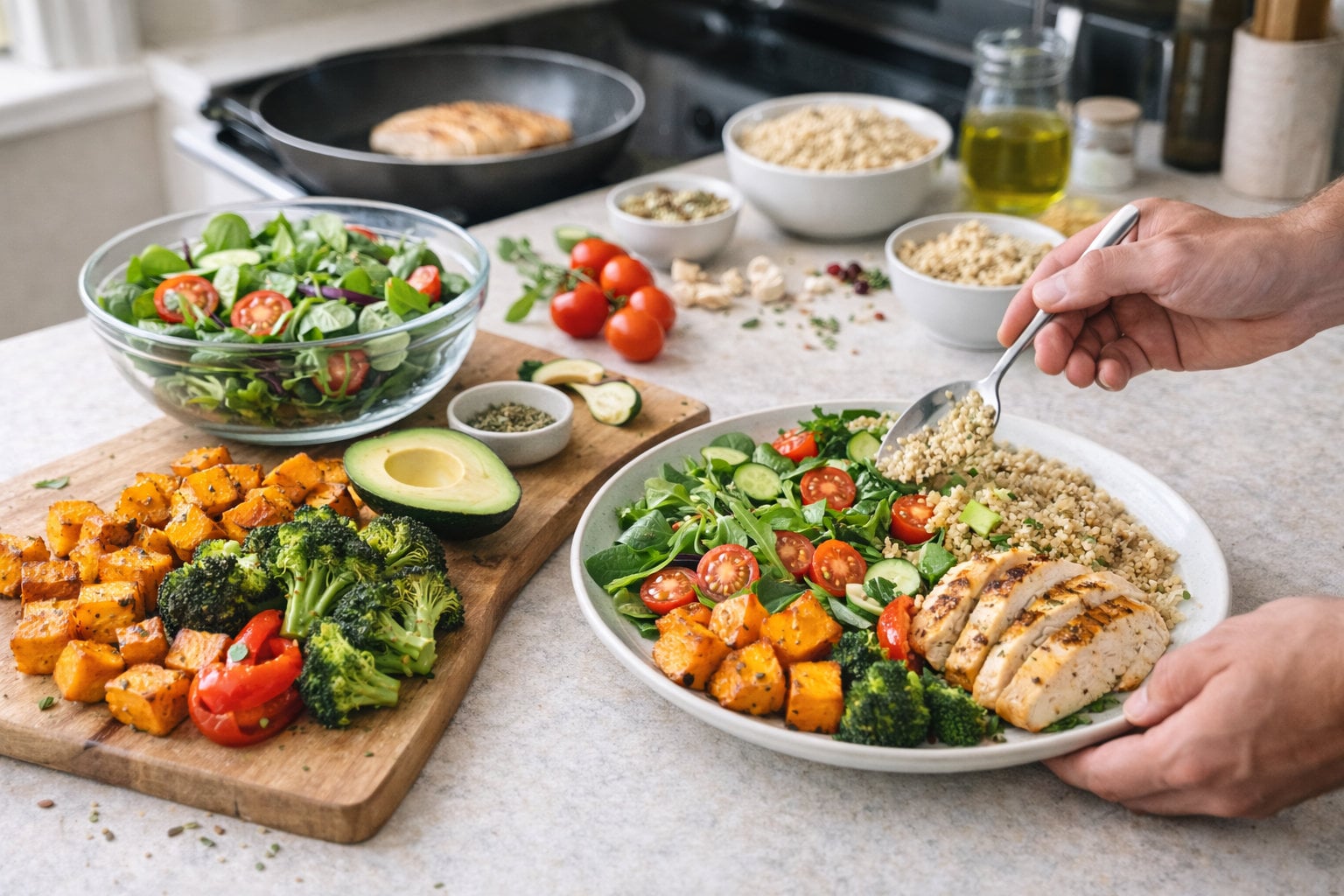
A simple structure for high volume eating is to fill about half your plate with vegetables, include a protein source, and add a satisfying carbohydrate or healthy fat in a portion that supports your goals.
Starting meals with water-rich foods like a salad or broth-based soup can help reduce hunger and improve satisfaction. Flavor can come from herbs, spices, and cooking methods rather than relying on calorie-dense sauces.
Staying Full Without Counting Calories
Many people like high volume eating because it can reduce dependence on calorie counting. When meals are consistently built around low-calorie-density foods, calorie intake often self-regulates.
This can make the process feel more sustainable because you focus on habits and meal structure rather than tracking every detail.
Using Volume Foods to Lose Weight Without Feeling Restricted
Volume foods are especially helpful for people who want to lose weight without tracking every detail. Because high volume foods physically fill the stomach, meals tend to feel more satisfying even when they contain fewer calories.
Instead of focusing on eating less food, this approach focuses on eating more low calorie foods that naturally support fullness. Volume foods allow meals to look and feel substantial, which reduces the mental strain often associated with dieting.
Over time, consistently choosing high volume foods can help regulate appetite, reduce overeating, and support sustainable habits. This makes it easier to lose weight while still enjoying normal portions and satisfying meals.
Common Mistakes With High Volume Eating
A common mistake is assuming that low-calorie foods are “unlimited.” Portion awareness still matters, even when foods are lower in calories relative to portion size.
Another mistake is ignoring protein or healthy fats. Meals that are only volume without balance can leave you hungry again quickly.
It also helps to prioritize whole, minimally processed foods most of the time, since diet quality supports better hunger control and consistency.
Is High Volume Eating Sustainable Long Term?
High volume eating can be sustainable because it focuses on fullness, flexibility, and enjoyable meals rather than strict restriction. It is a framework you can adapt to your preferences and lifestyle.
Over time, many people find it becomes a natural way to build meals, especially when they learn which foods and combinations keep them satisfied.
Dietary Certifications & Standards
Simply Desserts products are 100% vegan and plant-based, made without animal-derived ingredients and created with ingredient transparency in mind.
Our entire range is Kosher certified by Star-K, Non-GMO Project Verified, and GFCO Certified Gluten-Free, meeting strict third-party quality and safety standards.
Simply Desserts products are also Halal friendly, meaning they do not contain ingredients prohibited under Halal dietary guidelines, although they are not Halal certified.
We are a proud PETA Business Friends partner, supporting cruelty-free, plant-based food choices and ethical product development.
Why Simply Desserts Jels Fit Perfectly Into High-Volume Eating
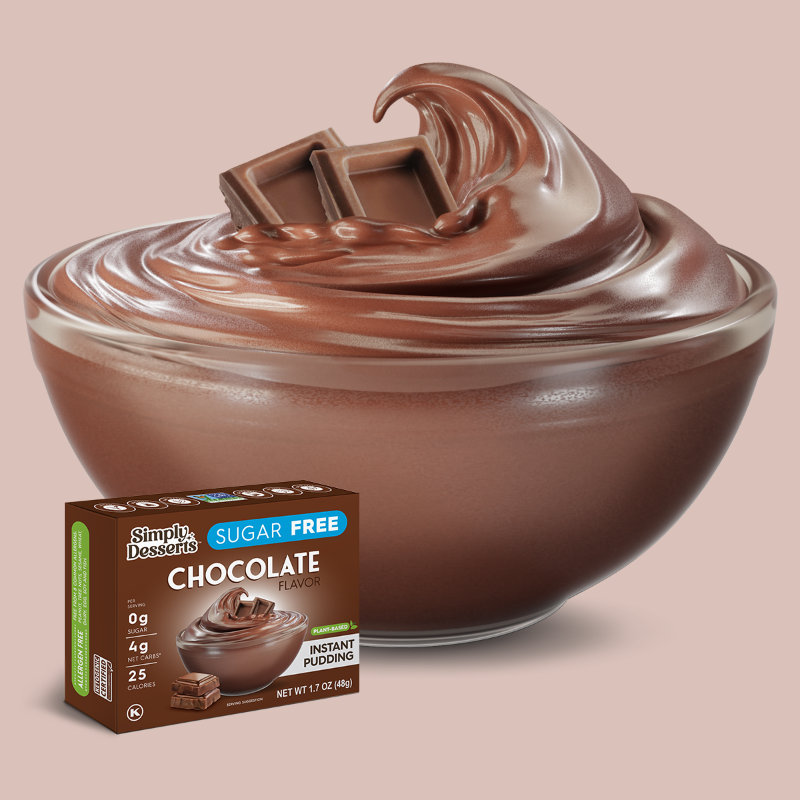
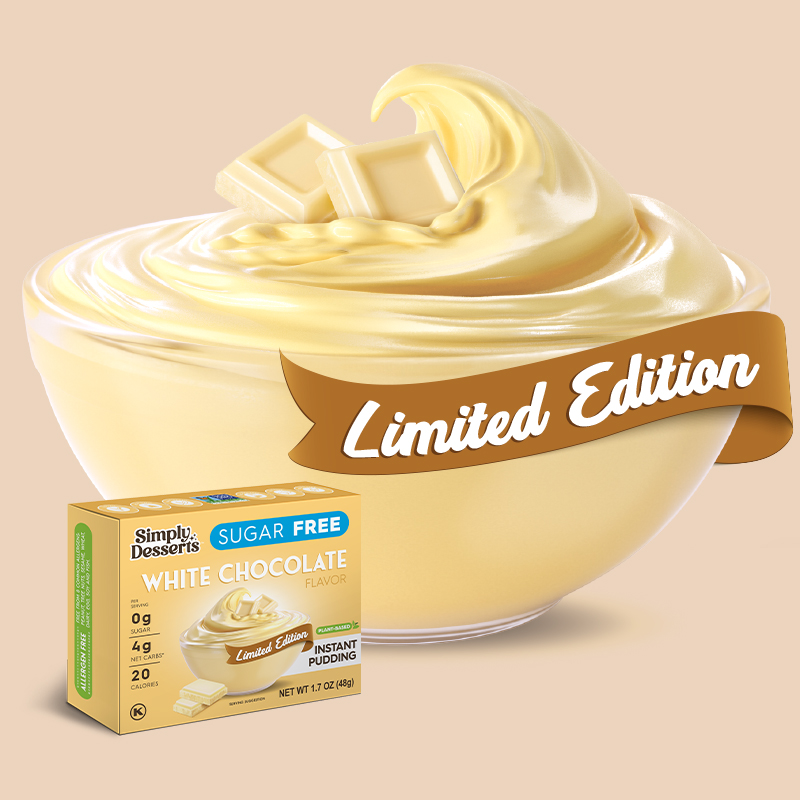
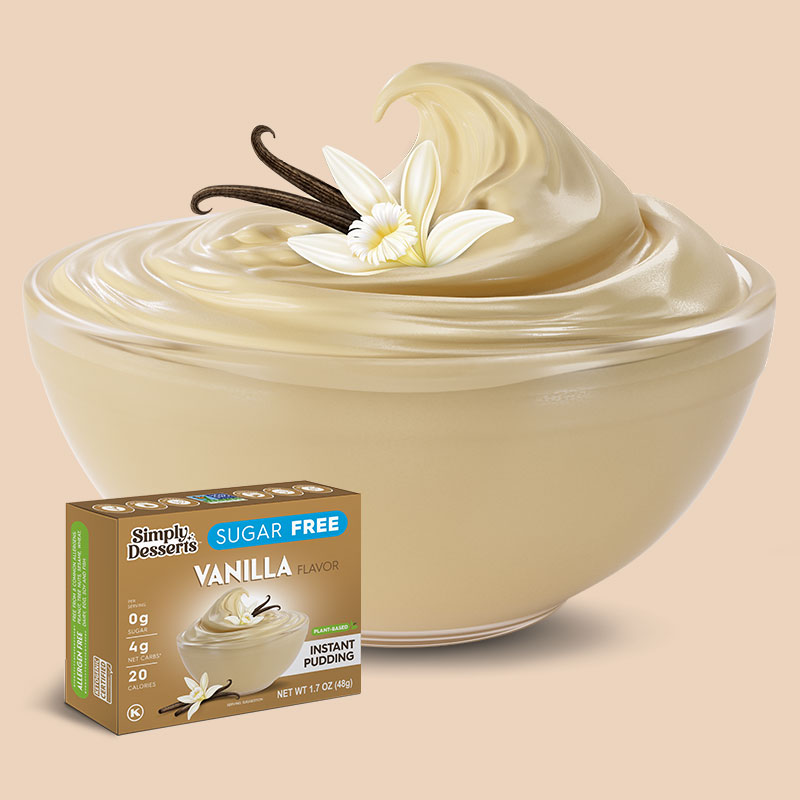
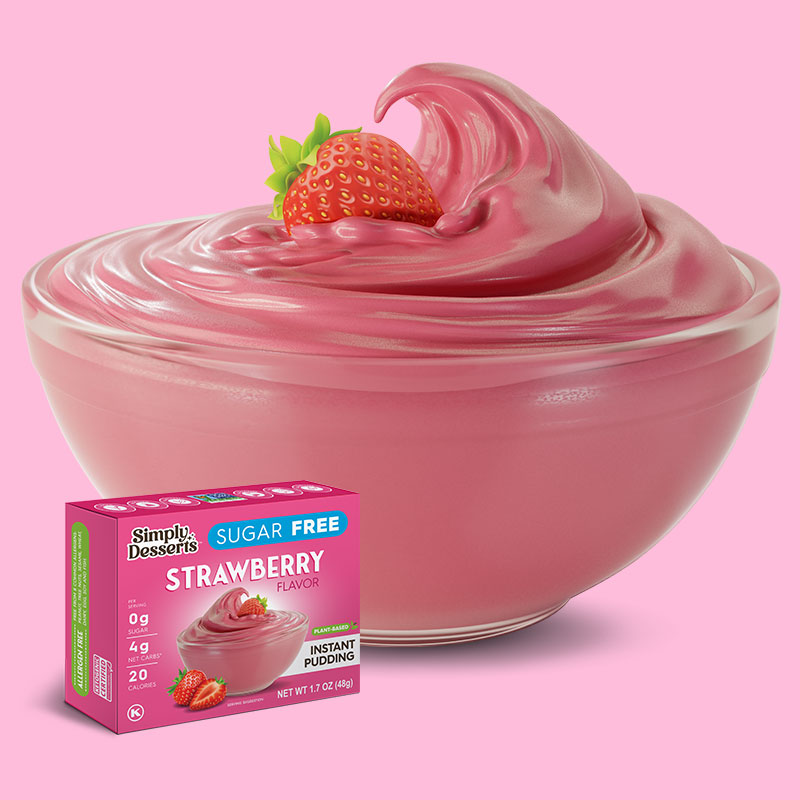
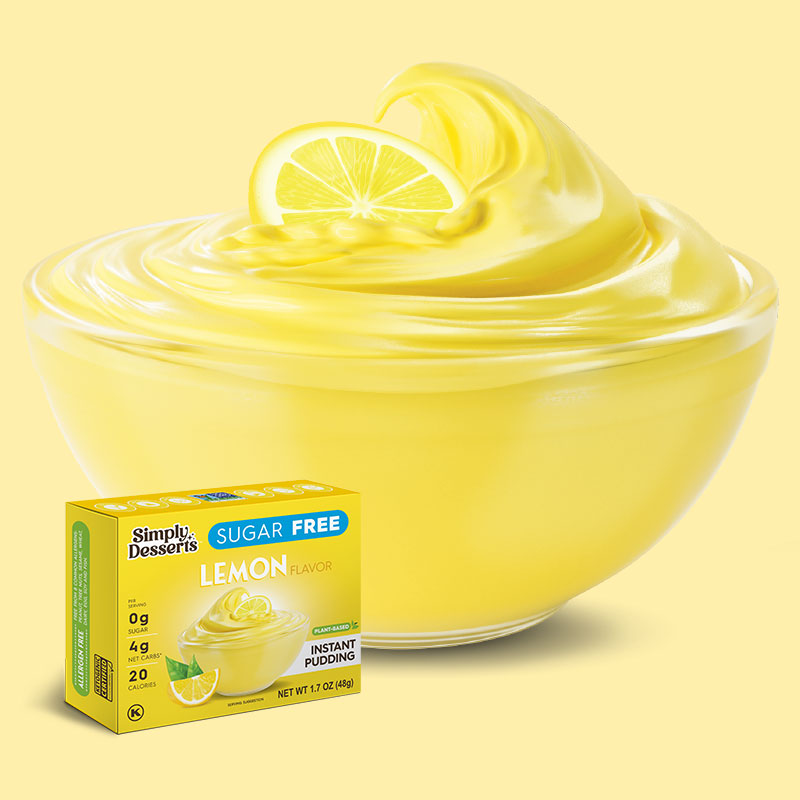
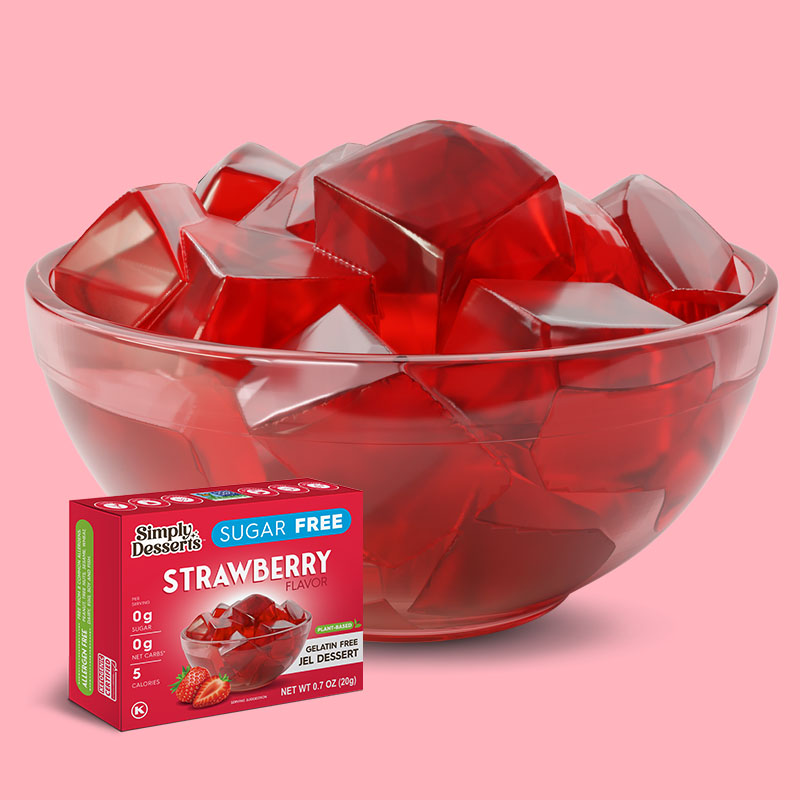
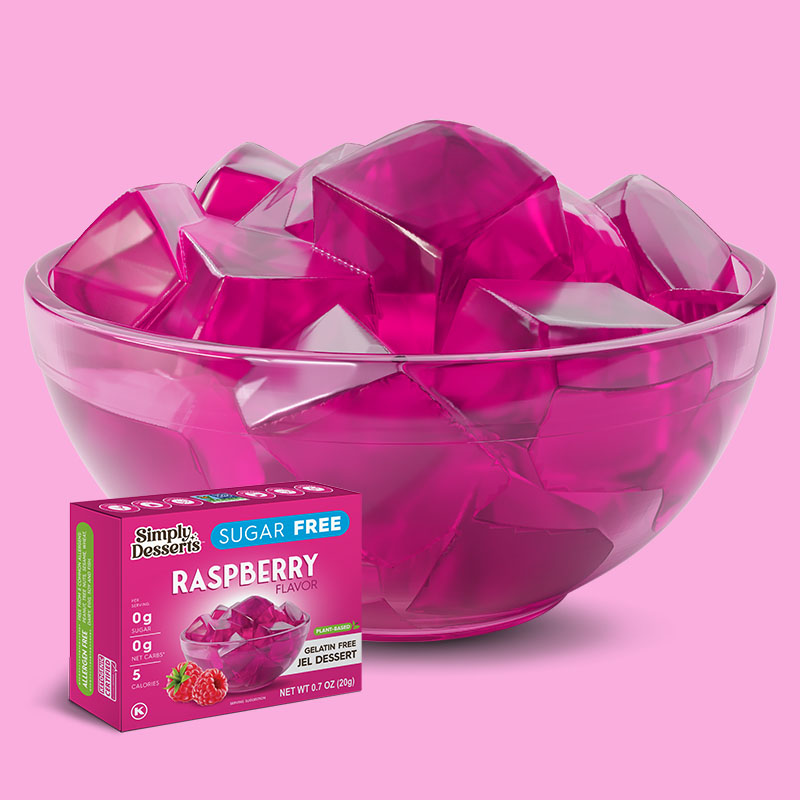
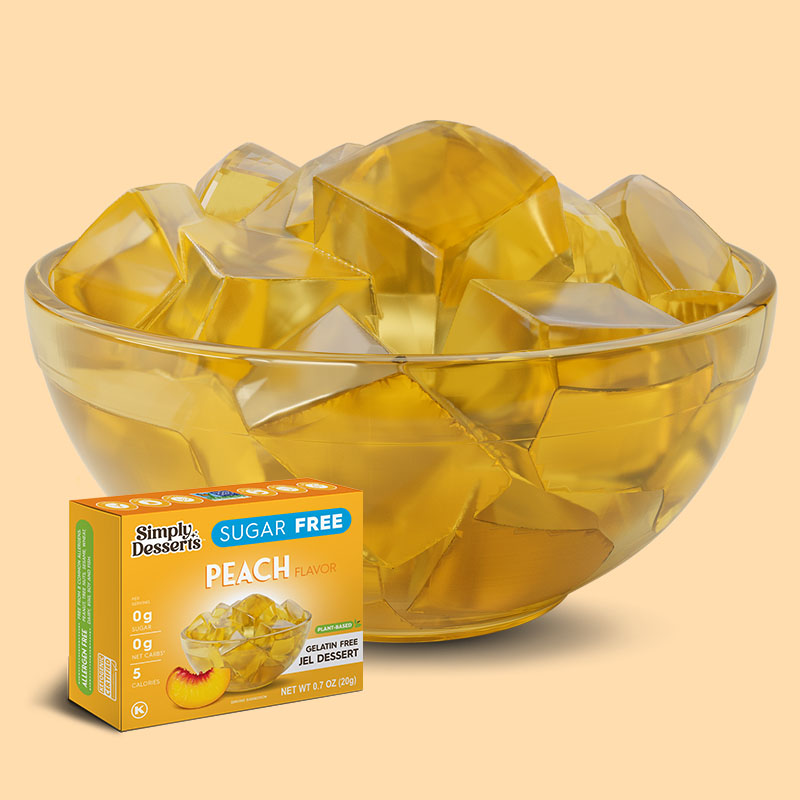
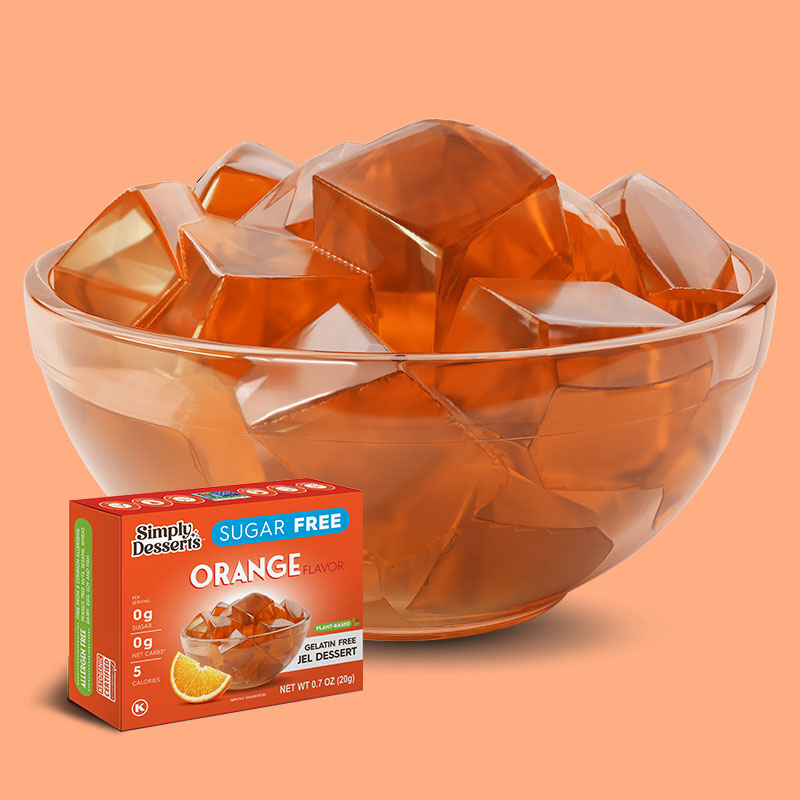
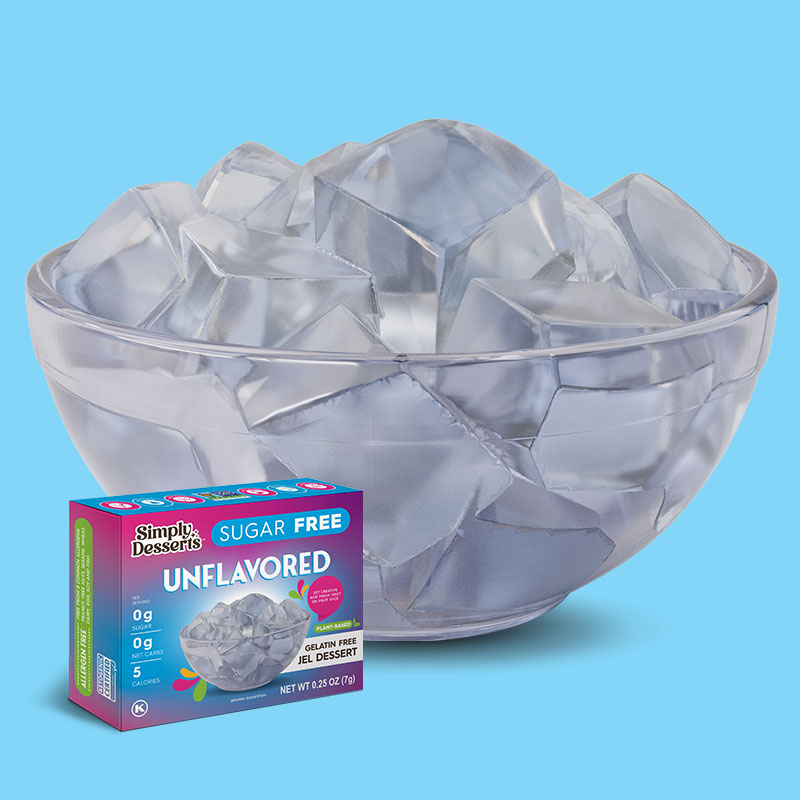
High-volume eating works best when foods provide physical fullness without adding meaningful calories, and this is where Simply Desserts Jels fit seamlessly into the approach. With 0g net carbs, just 5 calories per serving, and no added sugar, Jels allow for generous portions that align naturally with the goal of eating more volume while keeping calorie intake extremely low.
Simply Desserts Jels are light, refreshing, and easy to consume in larger amounts, which helps create a sense of fullness without relying on calorie-dense foods. Each box contains four servings, making it possible to enjoy a substantial portion that satisfies both hunger and the desire to snack, without disrupting a calorie deficit.
From a behavioral standpoint, having a food that you can eat in larger quantities without consequence can reduce feelings of restriction. Jels provide structure and volume, which can help curb grazing and mindless snacking while still allowing you to feel like you are eating enough to be satisfied.
Used intentionally, Simply Desserts Jels can be a strategic part of a high-volume eating pattern that prioritizes fullness, control, and sustainability. By offering volume with virtually no caloric impact, they support consistency over time — one of the most important factors for long-term success.
FAQs
What is high volume eating?
High volume eating is a nutrition approach that emphasizes larger portions of low-calorie-density foods so you can feel full while consuming fewer calories overall. It focuses on foods that tend to be higher in water and fiber, which support satiety and consistency.
Does high volume eating help with weight loss?
High volume eating can help with weight loss because it supports a calorie deficit while reducing hunger and feelings of deprivation. When meals are filling, it is often easier to stay consistent long enough to see progress, which is a key driver of long-term results.
Do you have to count calories with high-volume eating?
No, calorie counting is optional. Many people find that focusing on low-calorie-density foods helps regulate calorie intake naturally. If you prefer more structure, tracking can be used temporarily, but it is not required for the approach to work.
What foods are best for high volume eating?
Vegetables, fruits, lean proteins, legumes, and whole grains are commonly used because they tend to be filling and relatively low in calories relative to portion size. Building meals around these foods can increase satisfaction while still supporting your overall goals.
Can high-volume eating work long term?
Yes, high volume eating is often sustainable because it emphasizes fullness, flexibility, and balanced meals instead of rigid rules. As a long-term framework, it can help you build consistent habits that support weight management and overall diet quality.
How do volume foods help you lose weight?
Volume foods help you lose weight by allowing you to eat larger portions while consuming fewer calories. High volume foods increase fullness and satisfaction, which can reduce overeating and make fat loss habits easier to maintain over time.