GLP-1 is a naturally occurring hormone that plays a central role in appetite regulation, blood sugar control, and weight management. In recent years, GLP-1 has gained widespread attention due to the development of medications that mimic its effects, offering new options for treating type 2 diabetes and obesity.
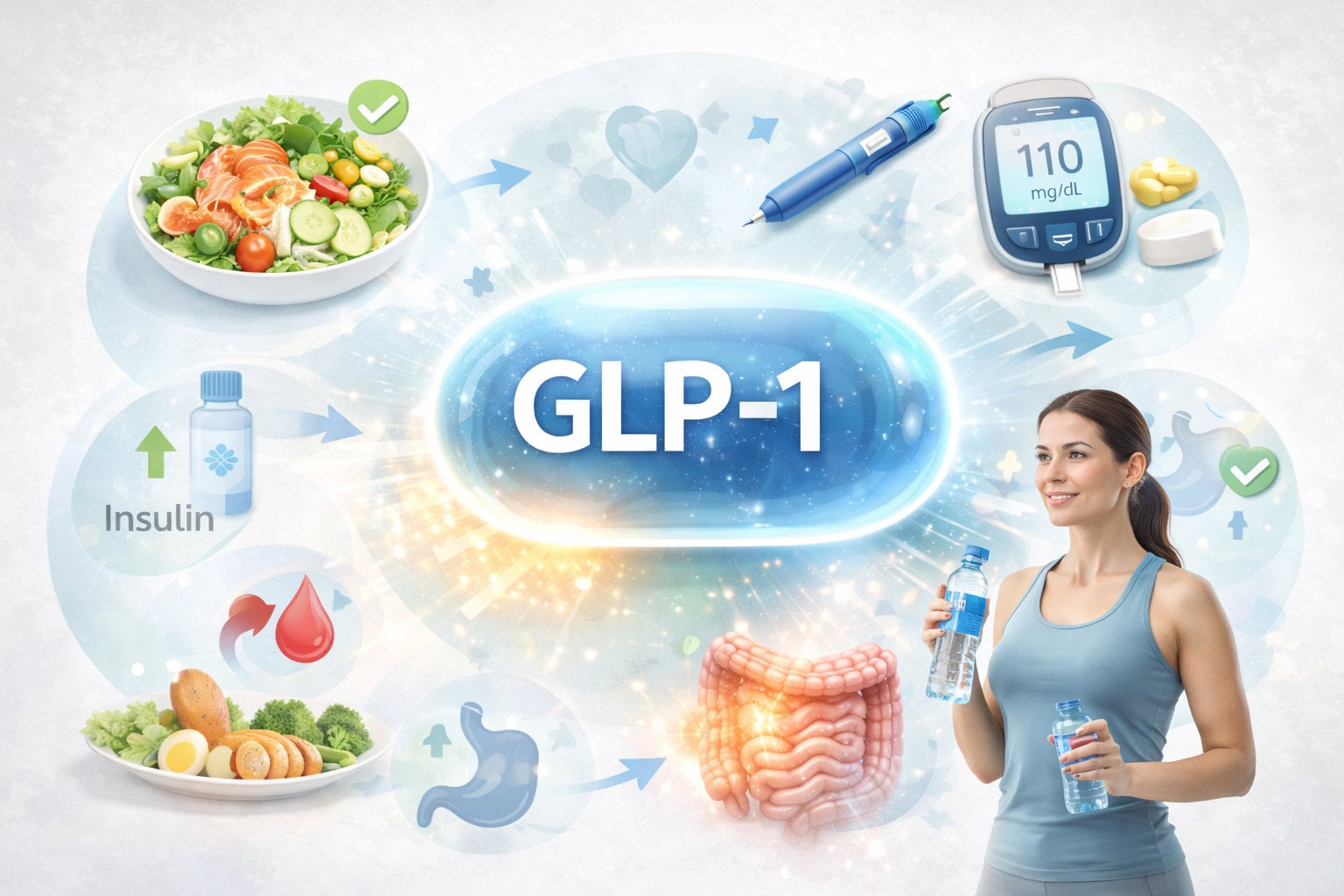
Table of Contents
- Introduction to GLP-1
- What Are GLP-1 Agonists and How Do They Work?
- GLP-1 Drugs and Their Availability
- Mechanisms Beyond Weight Loss and Diabetes
- Benefits of GLP-1 for Weight Loss
- Effects of GLP-1 on Blood Sugar Levels
- GLP-1s and Their Role in Managing Type 2 Diabetes
- Side Effects of GLP-1 Treatment
- Nutrition and GLP-1 Treatment
- GLP-1 Use in Special Populations
- Risks and Contraindications of GLP-1 Treatment
- Cost, Insurance, and Access Issues
- Long-Term Effects of GLP-1 Treatment
- Conclusion and Future Directions
- Dietary Certifications and Ingredient Standards
- Where Desserts Fit Into a GLP-1 Lifestyle
- Related Reading for GLP-1 Nutrition Support
- FAQs
Introduction to GLP-1
GLP-1, short for glucagon-like peptide-1 (glucagon like peptide 1), is a hormone released in the gut after eating. Its primary function is to help regulate blood sugar by stimulating insulin release while reducing glucagon secretion. At the same time, GLP-1 slows digestion and increases feelings of fullness.
Medications known as GLP-1 receptor agonists are designed to replicate the effects of this hormone. These drugs activate GLP-1 receptors throughout the body, influencing appetite, digestion, and glucose metabolism. The first GLP-1 receptor agonist was approved by the FDA in 2005, and research into its broader health effects continues to expand.
The growing interest in GLP-1 drugs reflects their expanding role in metabolic care.
What Are GLP-1 Agonists and How Do They Work?
GLP-1 receptor agonists are medications that bind to and activate GLP-1 receptors, mimicking the body’s natural glucagon like peptide 1 hormone. Many GLP-1 agonists are delivered as injections, often with a pen device, although some oral formulations are now available.
These medications support blood sugar control and weight management through several connected actions. Many GLP-1 drugs are designed to provide sustained receptor activation over time, and some options use extended release delivery to support consistent dosing effects. They can stimulate insulin release when blood sugar is elevated, reduce inappropriate glucagon release, slow gastric emptying (so food stays in the stomach longer), and reduce hunger and appetite by acting on satiety pathways in the brain.
For a deeper, peer-reviewed explanation of the hormone’s physiology and metabolic effects, see this GLP-1 overview on PubMed Central.
Source: NIH PubMed Central — The glucagon-like peptide-1 (GLP-1) hormone and its metabolic effects
GLP-1 Drugs and Their Availability
In addition to diabetes care, certain GLP-1 drugs are approved specifically for obesity treatment in eligible patients. Many options are injectable, while some oral alternatives exist.
Because these medications affect appetite, digestion, and blood sugar regulation, they should be prescribed and monitored by a qualified healthcare provider. Your provider can help determine the appropriate medication, dosing schedule, and monitoring plan based on your goals, medical history, and current medications. Access to GLP-1 drugs depends on prescription status, availability, and insurance coverage.
The FDA provides safety-related information and post-market monitoring updates related to GLP-1 receptor agonists.
Source: U.S. Food & Drug Administration (FDA) – GLP-1 Receptor Agonists Safety Communication
Mechanisms Beyond Weight Loss and Diabetes
GLP-1 receptor agonists are best known for weight loss and blood sugar management, but their effects can extend beyond these outcomes. GLP-1 receptors are found in multiple systems, including the gastrointestinal tract, cardiovascular system, and brain.
These overlapping effects help explain why GLP-1 therapies are being studied for a range of potential health benefits beyond glucose control.
By influencing satiety signaling and slowing gastric emptying, GLP-1 therapies can change meal patterns, portion tolerance, and appetite intensity. Research also continues to evaluate how GLP-1 receptor activation may affect cardiovascular risk factors and health outcomes in certain populations.
Clinical research is also examining whether GLP-1 therapies may influence outcomes related to heart failure in specific patient groups.
As evidence evolves, the role of GLP-1 therapies continues to broaden, but the right approach still depends on individual health needs and medical supervision.
Emerging research also suggests GLP-1 receptor activation may influence cardiovascular regulation through effects on vascular function and inflammation. In some patients, these mechanisms may contribute to improvements in high blood pressure, particularly when weight loss and dietary quality improve alongside treatment.
Researchers are also evaluating how GLP-1 receptor activation may influence outcomes in people with kidney disease, particularly through effects on blood sugar control and systemic inflammation.

Benefits of GLP-1 for Weight Loss
GLP-1 agonists can support weight loss primarily by reducing hunger and increasing satiety. Many people experience fewer cravings, smaller portion tolerance, and improved control over eating patterns. Slower gastric emptying can also contribute to staying fuller longer.
Weight loss outcomes vary by medication, dose, adherence, diet quality, and individual biology. For some people, GLP-1 therapy may also support improvements in blood sugar, blood pressure, and other metabolic markers, especially when paired with nutrition and movement changes. For some individuals, these changes also support broader metabolic health, especially when improvements in blood sugar control and body composition occur together.
Because GLP-1 therapies influence appetite regulation and digestion, they are often used as part of structured weight loss plans for individuals who struggle with hunger-driven eating patterns. By supporting earlier fullness and reduced calorie intake, these medications can help people lose weight more consistently when combined with nutrition and lifestyle changes.
For broader context on obesity as a public health issue, including prevalence and background, see current CDC data.
Source: Centers for Disease Control and Prevention (CDC) — Obesity data and statistics
Because of these effects on appetite and digestion, GLP-1 therapy is now commonly included in medically supervised obesity treatment plans.
Effects of GLP-1 on Blood Sugar Levels
GLP-1 helps regulate blood sugar by enhancing insulin release in a glucose-dependent way, meaning it primarily increases insulin when blood sugar is elevated. This mechanism can reduce the risk of severe hypoglycemia compared to some other diabetes medications, although low blood sugar can still occur—especially when GLP-1 therapy is combined with other glucose-lowering drugs.
GLP-1 agonists may also reduce post-meal blood sugar spikes by slowing gastric emptying, which can slow the rate at which glucose enters the bloodstream after eating.
For many patients, one of the primary goals of GLP-1 therapy is to lower blood sugar in a predictable and sustainable way. By slowing digestion and supporting insulin response after meals, GLP-1 medications can help lower blood sugar spikes that occur after eating.
Because glucagon like peptide 1 signaling increases after meals, this hormone-driven pathway is one reason post-meal glucose control can improve when GLP-1 receptors are activated under clinical supervision.
GLP-1s and Their Role in Managing Type 2 Diabetes
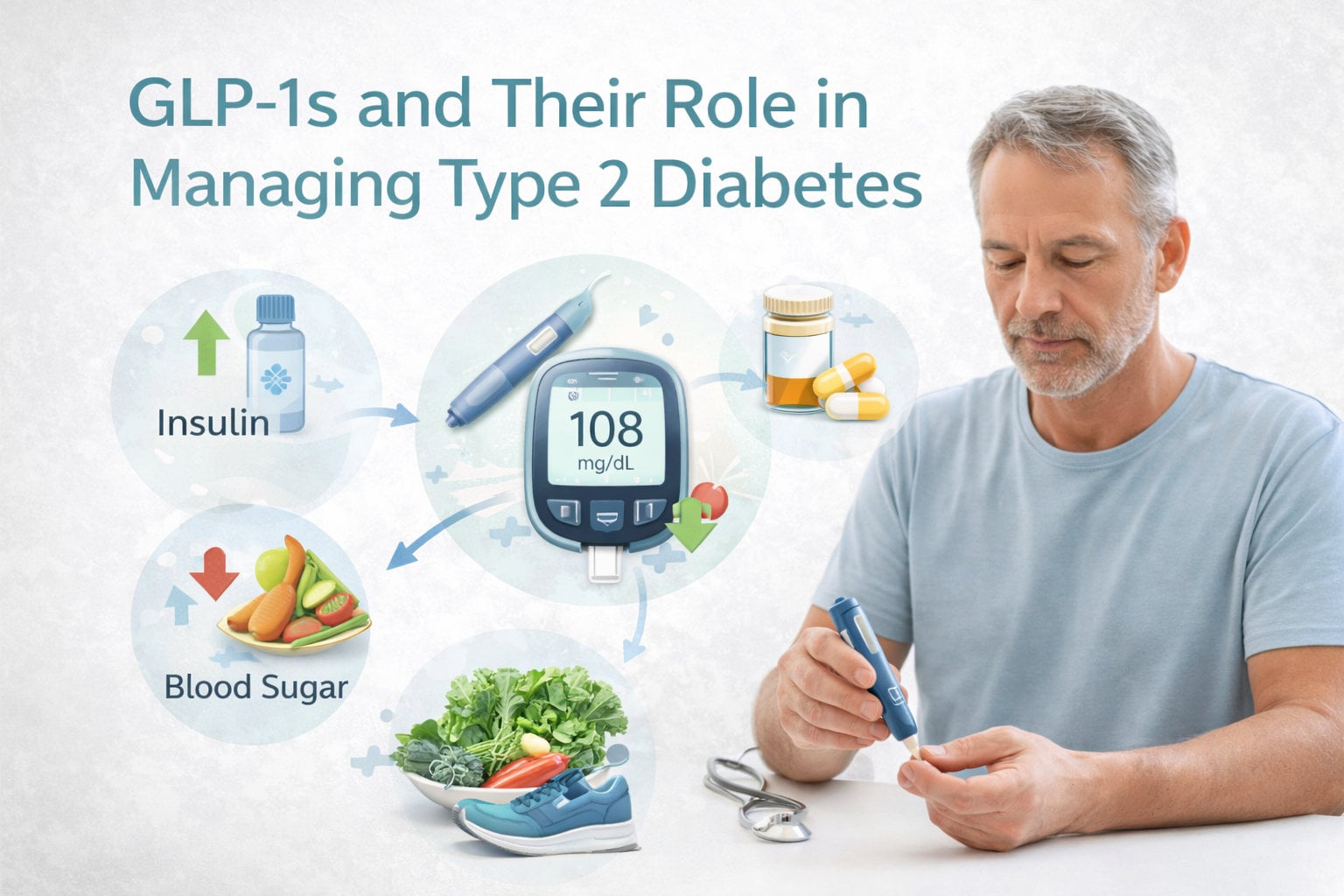
GLP-1 receptor agonists are FDA-approved for managing type 2 diabetes and are often used to improve glycemic control while also supporting weight reduction. In many treatment plans, GLP-1 therapy is combined with lifestyle changes and, when appropriate, additional medications.
Patients should work with a healthcare provider to monitor blood sugar trends, side effects, and overall progress. This is especially important during dose escalation or when GLP-1 therapy is added to an existing diabetes regimen.
In clinical care, GLP-1 receptor agonists are sometimes categorized alongside other weight loss drugs because of their impact on appetite and body weight. However, their primary role in diabetes management remains centered on glycemic control and helping patients lower blood sugar while supporting overall metabolic health.
The American Diabetes Association provides evidence-based education on GLP-1 receptor agonists in diabetes care.
Source: American Diabetes Association — Diabetes medication treatment options
By improving insulin response while reducing appetite-driven overeating, GLP-1 therapy can play a role in supporting long-term metabolic health under medical supervision.
In many care pathways, these medications are also FDA approved as part of modern diabetes treatment approaches, with specific indications and dosing determined by a clinician.
Side Effects of GLP-1 Treatment
The most common side effects of GLP-1 treatment are gastrointestinal and may include nausea, vomiting, diarrhea, constipation, reflux, and abdominal discomfort. These effects are often most noticeable when starting therapy or increasing the dose, and they may improve over time. Side effect profiles can vary between different GLP-1 drugs and dosing schedules.
Other considerations can include injection site irritation (for injectable options), fatigue, and changes in food tolerance. Rapid weight loss can also be associated with changes in facial appearance and may contribute to loss of lean mass if protein intake and resistance training are not prioritized.
More serious risks—though less common—can include pancreatitis, gallbladder issues, and specific thyroid-related warnings for certain products and patient populations. Hypoglycemia is more likely when GLP-1 therapy is combined with other medications that lower blood sugar.
Some patients notice differences in tolerability based on dosing cadence, including whether a medication uses extended release delivery or a different formulation approach.
For a clear, patient-oriented overview of common side effects and safety considerations with GLP-1 receptor agonists, see the Mayo Clinic’s medication information page..
Source: Mayo Clinic — Diabetes drugs and GLP-1 receptor agonists
Nutrition and GLP-1 Treatment
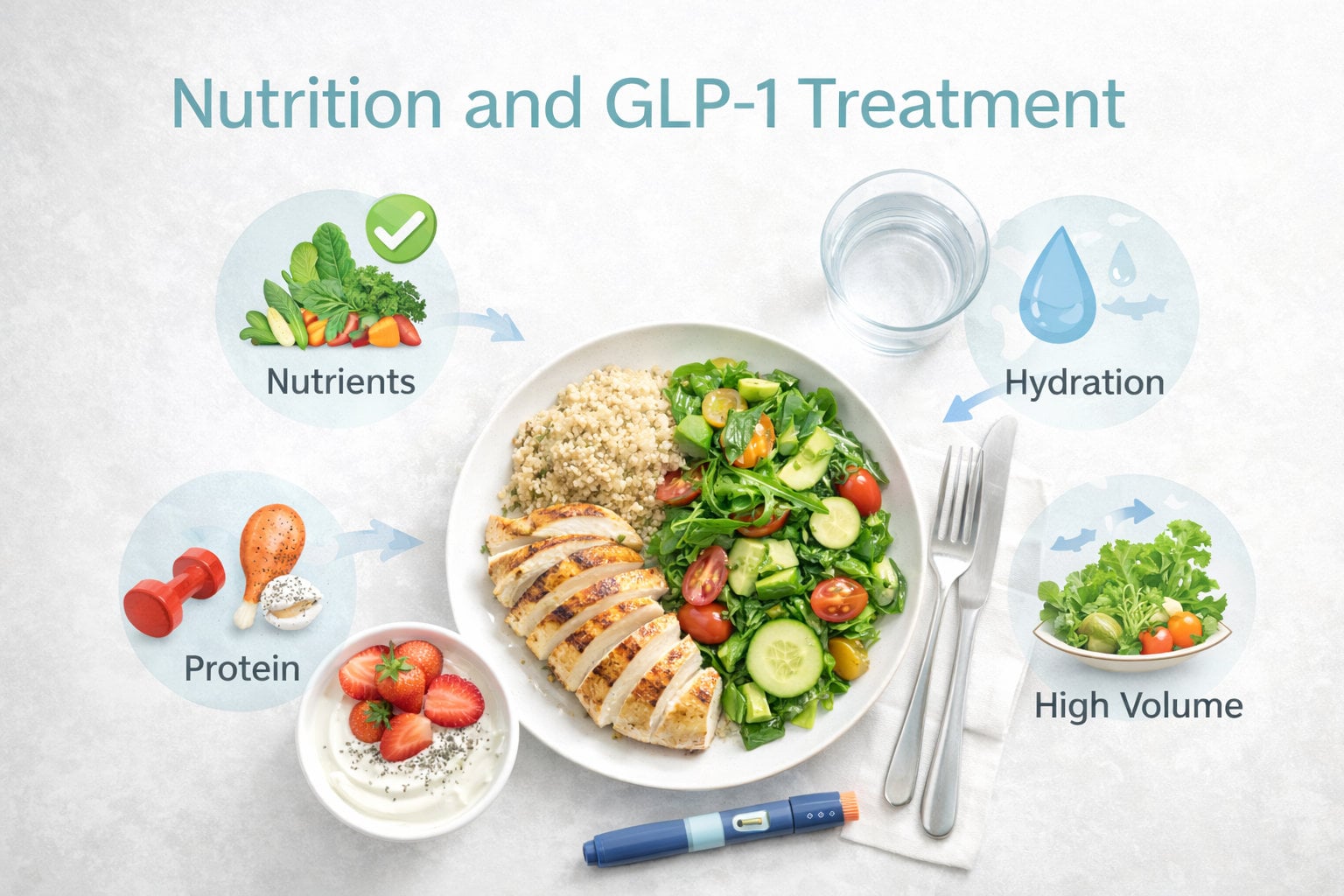
Nutrition can strongly influence how well GLP-1 therapy fits into daily life. Because GLP-1 can reduce appetite and slow digestion, many people do best with meals that prioritize nutrient density, hydration, and protein to support satiety and preserve lean mass.
A practical approach often includes vegetables, fiber-rich foods, and high-quality protein sources across the day. Many people also benefit from “volume-forward” strategies that increase plate size and satisfaction without relying on highly calorie-dense portions.
If you’re exploring this approach, high-volume eating can be a helpful framework for building satisfying meals.
Protein-forward choices can also support satiety and muscle retention during weight loss. If you want a deeper dive into why protein pudding is often used as a convenient, satisfying option, see this guide.
For some individuals, pairing these nutrition priorities with consistent daily routines can make weight loss feel more predictable and easier to sustain over time.
GLP-1 Use in Special Populations
GLP-1 medications are not one-size-fits-all. Effects and tolerability can vary based on age, health status, and medical history. Older adults may be more sensitive to gastrointestinal side effects, which can impact hydration and nutrition intake.
Individuals with a history of pancreatitis, certain thyroid cancers, severe gastrointestinal disease, or specific endocrine conditions may need to avoid GLP-1 therapies or use them only under close supervision. A healthcare provider should evaluate risks and benefits based on individual circumstances.
Risks and Contraindications of GLP-1 Treatment
GLP-1 agonists are not suitable for everyone. Some patients may be advised against GLP-1 therapy due to medical history, medication interactions, or specific contraindications listed for particular products. Patients with advanced kidney disease may require closer monitoring or alternative treatment approaches depending on the specific medication used.
Because GLP-1 therapy can affect digestion and appetite, people with severe gastrointestinal conditions may require special caution. Patients should review risks, warnings, and personal medical history with a qualified clinician before starting therapy.
Cost, Insurance, and Access Issues
Access to GLP-1 medications can be limited by cost, availability, and insurance coverage. Coverage policies can differ by plan and diagnosis, and out-of-pocket costs can be a barrier for many patients. The rising demand for GLP-1 drugs has contributed to access challenges in some regions.
Access challenges are not unique to GLP-1 therapies and are common across many prescription weight loss drugs. Insurance coverage, prior authorization requirements, and medication shortages can all affect whether patients can consistently use weight loss drugs as part of a long-term treatment plan.
A healthcare provider or pharmacist can help you explore coverage pathways, medication alternatives within the same therapeutic class, and manufacturer support programs where available. Long-term success often depends on consistent access and a sustainable plan.
Long-Term Effects of GLP-1 Treatment
The long-term effects of GLP-1 therapy continue to be studied. Current evidence suggests that many people can maintain improvements in weight and blood sugar while they remain on therapy, especially when lifestyle habits support the treatment plan.
Long-term use of GLP-1 therapy may support sustained weight loss for some individuals, particularly when eating patterns, protein intake, and physical activity are aligned with treatment goals. Many patients report improved ability to lose weight over time, though results depend on adherence and medical oversight.
Long-term outcomes vary based on adherence, dosing, side effect management, nutrition quality, physical activity, and underlying health conditions. Ongoing medical follow-up is important to monitor side effects, nutritional status, and overall health markers over time. Long-term data continues to emerge for individual GLP-1 drugs used over extended periods.
Over longer periods, improvements in cardiometabolic markers such as blood sugar, cholesterol, and high blood pressure may occur in certain individuals. These outcomes depend heavily on adherence, baseline health status, and the presence of supportive lifestyle habits.
Some studies are evaluating whether improved cardiometabolic control may affect long-term risk factors associated with heart attack, though evidence continues to evolve.
Conclusion and Future Directions
GLP-1 therapies have become an important tool in the treatment of type 2 diabetes and obesity. By targeting appetite regulation and blood sugar control, GLP-1 receptor agonists offer benefits that can extend beyond weight loss alone. Ongoing research continues to explore additional health benefits, particularly in cardiometabolic and inflammatory pathways.
Future research will continue to clarify long-term safety, best practices for muscle preservation, the role of combination therapies, and how GLP-1 treatments can be integrated into personalized care plans. Future studies will further clarify how different GLP-1 drugs compare across patient populations.
Dietary Certifications and Ingredient Standards
Simply Desserts products are designed with ingredient transparency and broad dietary compatibility in mind. The entire range is vegan and plant-based, made without animal-derived ingredients.
Across the product lineup, you’ll also find third-party certifications that reflect strict standards: Kosher certification through Star-K, Non-GMO Project Verification, and GFCO Certified Gluten-Free status.
Simply Desserts products are also Halal friendly, meaning they do not contain ingredients prohibited under Halal dietary guidelines, although they are not currently Halal certified.
Simply Desserts is a proud PETA Business Friends partner, supporting cruelty-free, plant-based food choices and ethical product development.

Where Desserts Fit Into a GLP-1 Lifestyle
For many people using GLP-1 therapy, strategies that emphasize protein, fiber, and volume can make day-to-day eating more satisfying and sustainable. Desserts can still fit into a GLP-1 lifestyle when they’re approached with portion awareness and aligned with overall nutrition priorities.
For individuals using GLP-1 therapy to lose weight, dessert choices often shift toward options that support fullness without disrupting blood sugar balance. When incorporated mindfully, volume-forward desserts can complement weight loss efforts while fitting into a broader nutrition strategy.
Volume-forward options can be especially helpful when you want “more bowl” without relying on heavy calorie density. Jel-style desserts can support a volume eating approach by offering a larger-feeling serving, while protein-forward pudding-style options may support satiety when they’re included as part of a balanced day that prioritizes adequate protein.
Related Reading for GLP-1 Nutrition Support
GLP-1 therapies often work best when paired with nutrition strategies that support fullness, consistency, and long-term adherence. If you’re exploring how food choices fit into a GLP-1-focused lifestyle, the following resources offer deeper guidance.
High-volume eating can help increase meal satisfaction, especially when appetite signals change. This guide breaks down how volume-focused meals can support fullness without relying on strict restriction.
High Volume Eating: How to Eat More While Managing Calories
Protein-forward desserts can also play a role in satiety and muscle support during weight loss. This article explains why protein pudding is often used as a convenient option for people focused on fullness and balanced nutrition.
Protein Pudding Benefits: Satiety, Muscle Support, and Convenience
Both approaches can complement GLP-1 treatment when used thoughtfully and aligned with medical guidance.
FAQs
What does GLP-1 do in the body?
GLP-1 helps regulate blood sugar and appetite. After you eat, it signals the pancreas to release insulin when needed, slows how quickly food leaves the stomach, and sends fullness signals to the brain. These effects can support both glucose control and reduced calorie intake.
Are GLP-1 medications only for weight loss?
No. GLP-1 receptor agonists were first developed for type 2 diabetes because they improve blood sugar control. Some are also approved for chronic weight management in certain patients. Eligibility and dosing depend on diagnosis, goals, and a clinician’s assessment.
How quickly do people see results on GLP-1 drugs?
Results vary, but many people notice reduced appetite early, especially during dose escalation. Meaningful weight loss and improved blood sugar can take weeks to months. Long-term results depend on consistency, tolerability, nutrition quality, and overall lifestyle habits.
What are the most common side effects of GLP-1 treatment?
The most common side effects are gastrointestinal, including nausea, vomiting, diarrhea, constipation, and stomach discomfort. These often improve over time or with slower dose increases. Some people also experience fatigue or mild injection-site irritation.
Who should not take GLP-1 medications?
GLP-1 drugs are not appropriate for everyone. People with certain endocrine conditions, a history of pancreatitis, specific thyroid cancer risks, or severe gastrointestinal disorders may need to avoid them. A healthcare provider should evaluate personal risk before use.
Can you do high-volume eating while on GLP-1?
Many people find volume-focused meals helpful because they add satisfaction without relying on large calorie loads. The best approach depends on your tolerance and digestion, since GLP-1 slows gastric emptying. Start with nutrient-dense foods and adjust portions gradually.
Do GLP-1 drugs cause muscle loss?
Rapid weight loss can include some loss of lean mass, especially if protein intake and strength training are low. Many clinicians encourage adequate protein and resistance exercise to help preserve muscle. Individual outcomes vary based on nutrition, activity, and total weight lost.
Are GLP-1 medications considered weight loss drugs?
GLP-1 receptor agonists are sometimes grouped with weight loss drugs because they reduce appetite and support body weight reduction. However, many were originally developed for type 2 diabetes care, and eligibility and dosing depend on diagnosis, goals, and clinical guidance.