Guts. We all have them. This system powers how we live each day—breaking down the foods we eat and fueling our bodies. But it’s more than just a stomach. Gut health involves the entire digestive tract and its microbiome, influencing digestion, energy, immunity, and even mood. Taking care of your gut health is a key part of everyday wellbeing. It also plays a role in overall health.
Supporting the gut microbiome is part of everyday wellbeing too, because a resilient gut helps your immune system communicate and react appropriately.

What is gut health?
So far, you’ve heard the words gut health a few times. So, what exactly is gut health? Gut health is described as the different parts of the gastrointestinal tract. These different parts are made up of the esophagus, stomach, and intestines. These different parts of our body help us break down the different foods we eat and helps the balance of “good bacteria” in our body without the feeling of discomfort after eating different foods. However, that’s not the same for everyone and everyone’s gut health. Alone, there’s an estimated 70 million in the U.S with digestive disease issues that can cause discomfort. These different digestive causes can cause different symptoms such as heartburn, constipation, bloating, vomiting, and loose stools.
These symptoms are distinct from chronic conditions like inflammatory bowel disease (IBD), which requires medical diagnosis and care.
In simple terms, your gut microbiome is the community of microbes that live along your gut, while the gut microbiota refers to the actual organisms (like gut bacteria and beneficial yeasts) themselves. These microbes live from the mouth through the small and large intestine, helping with digestion and training the immune system.
When the gut microbiome is out of balance, the gut microbiota can shift in ways that sometimes correspond with digestive discomfort. That’s why supporting diverse, resilient microbes matters for comfort now and over the long term.
Paying attention to your gut health
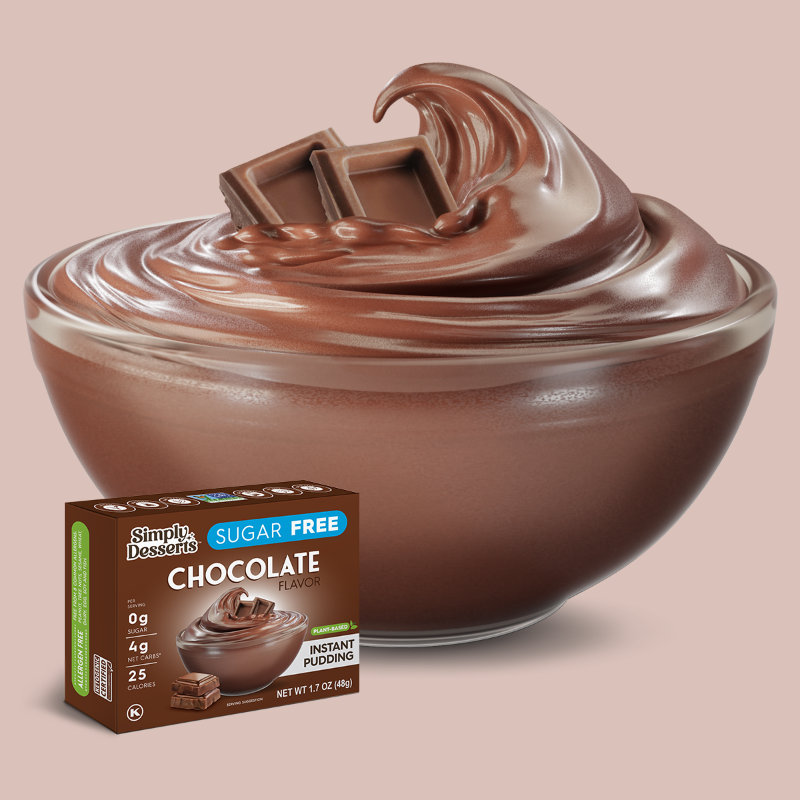
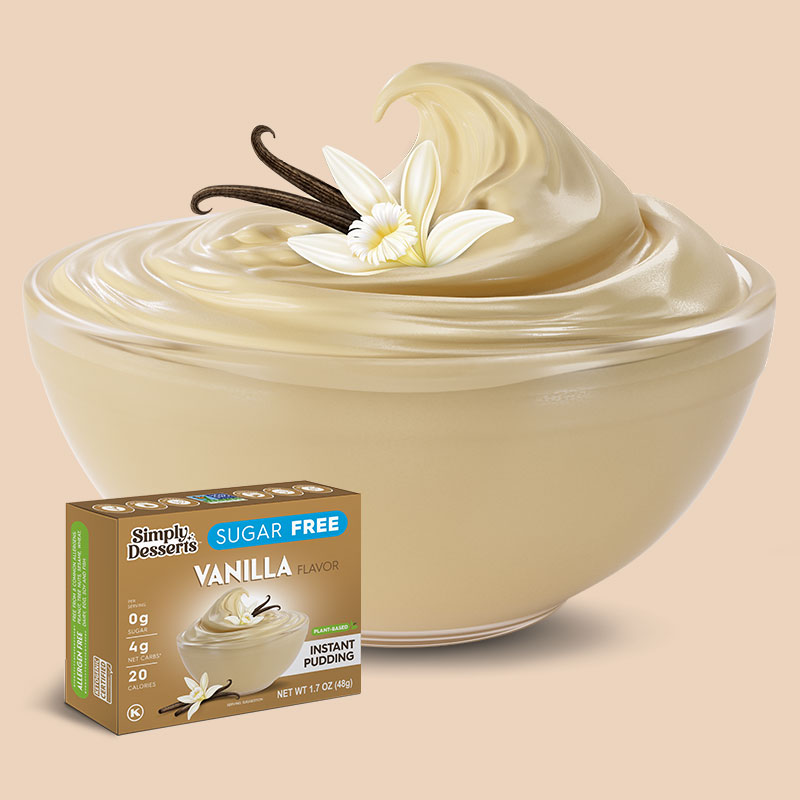
Imagine you just ate a delicious bowl of Simply Desserts puddings or jels as an after-dinner dessert. As soon as it hits your esophagus, your body starts to break down that pudding. Once it travels to your gut, the pudding breaks down into a simple form which then enters your bloodstream and gives your body nutrients. The formula to a healthy gut contains good bacteria and immune cells which helps break down foods, and ward off any infections or viruses. However, if your body is responding negatively and you’re feeling different symptoms such as heartburn, constipation, bloating, vomiting, and loose stools, that may be a sign of poor gut health.
Tuning into how your gut microbiome responds after meals can offer clues—some people notice that when their gut microbiota is well-supported, digestion feels smoother.
Short changes in routine can have short term effects on the gut microbiome, but steady habits help the community of gut bacteria settle into a healthy rhythm.
How to help with gut health
Everyone’s guts and gut health are different. Finding the right balance of what works for you and your body is important in finding a comfortable medium. Nonetheless, there are different things you can do to help your gut and your overall gut health. First, sleep is very important for your gut and how you feel after an adequate night of sleep. Have you ever felt unwell after a night of tossing and turning, with only a little sleep? Having a bad night of sleep can cause bloating and nausea, so getting those solid eight hours is beneficial for you and your body. The second factor of good gut health is exercise. Keeping a solid exercise routine can help your digestive system and is known to help reduce stress, but ultimately helps maintain healthy body weight. Maintaining a healthy body weight will have a great effect on your gut health and how you feel. Finally, and the most important factor is what you eat and what you put into your body. Avoiding certain foods such as fried foods, and artificially flavored and colored foods, and certain liquids such as alcohol. However, sticking to a diet with fresh foods, vegetables, whole grains, nuts, and foods with probiotics is helpful.
Sleep and movement patterns influence the gut microbiome: consistent sleep and regular exercise are simple ways to keep the gut microbiota supported.
When it comes to food, focus on fiber and color. Aim for plenty of fruits and vegetables, whole grains, legumes, nuts, and seeds to feed the gut microbiome and the bacteria in your gut. Limiting processed foods and excess sugar may help keep the balance of gut bacteria on track. Day to day, building meals around fruits and vegetables is an easy place to start.
Some people find that an anti inflammatory pattern—more plants, olive oil, fish, and herbs—pairs well with a stable gut microbiome. These everyday habits can support overall health too.
What are probiotics?
Probiotics are live, beneficial microorganisms—mostly bacteria and some yeasts—that can support a healthy gut when you consume enough of them. Think of them as “friendly” microbes that help keep your digestive ecosystem in balance.
Probiotics can add to your reservoir of beneficial bacteria and help maintain a diverse gut microbiome and resilient gut microbiota.
What they do
- Support digestion: Help break down food and assist with nutrient absorption.
- Balance the microbiome: Compete with less helpful microbes and help maintain a healthy gut microbiome.
- General wellness links: A balanced gut is associated with regularity, fewer tummy upsets, a responsive immune system, and even skin and mood connections via the gut–brain and gut–skin axes.
Note: Probiotics don’t “destroy all bad germs,” and they don’t make vitamins for you in a broad sense. Some strains may produce helpful by-products, but benefits are strain-specific and not one-size-fits-all.
Common strains (with typical uses)
- Lactobacillus (e.g., L. rhamnosus, L. plantarum): often studied for digestive comfort and occasional diarrhea.
- Bifidobacterium (e.g., B. longum, B. lactis): linked with regularity and gut barrier support.
- Saccharomyces boulardii (a beneficial yeast): commonly used during/after antibiotics for digestive support.
Where to find them
- Foods with live cultures: Yogurt (look for “live & active cultures”), kefir, raw sauerkraut, kimchi, tempeh, miso, some kombucha.
- Supplements: Capsules, powders, liquids, and yes, some “beauty” supplements. Choose carefully (see below).
fermented foods are a simple way to add variety to your routine alongside these options.
Not all fermented foods contain live probiotics—pasteurization or baking can kill cultures (e.g., shelf-stable sauerkraut that’s been heat-treated, or baked sourdough).
Prebiotics vs probiotics
- Probiotics: the live microbes.
- Prebiotics: the fibers that feed them—found in foods like garlic, onions, leeks, bananas, oats, asparagus, and legumes. For gut health, pair both to nourish the gut microbiome and support a diverse gut microbiota.
How to choose a supplement
- Strain matters: Look for named strains (e.g., L. rhamnosus GG), not just the species.
- CFU count: Many products range from 1–10+ billion CFU per serving; more isn’t always better—consistency is.
- Quality: Third-party tested, clear expiration date, and storage guidance (some need refrigeration, many are shelf-stable).
- Purpose: Match the strain(s) to your goal (regularity, travel, after antibiotics, etc.) and your gut microbiome support needs.
How to take them
- Timing: Many do well with meals; follow the label.
- Consistency: Give a new product 4–8 weeks to gauge effects.
- Start low: Mild gas/bloating can happen in the first week and often settles.
Safety notes
If you have ongoing digestive symptoms or suspect inflammatory bowel disease, consult a healthcare professional for personalized guidance.
- Generally well-tolerated for healthy adults.
- If you’re immunocompromised, have a serious illness, are pregnant, or picking one for an infant/child, check with a healthcare professional first.
Bottom line: Probiotics are live microbes that can help support a healthy gut by reinforcing a balanced gut microbiome and resilient gut microbiota, especially when paired with a fiber-rich, prebiotic-friendly diet. Choose targeted strains, stick with them consistently, and focus on overall diet and lifestyle for the best results while keeping your immune system supported.